
Last reviewed and updated: November 6, 2026
Ottoman Istanbul is best seen through three kinds of building: the palace a sultan actually lived in, the mosque his architect built to outlast him, and the hamam where the city washed. Topkapı Palace, the Blue Mosque and a historic hamam such as Çemberlitaş cover the essentials in a single day.
Questions answered in this guide
- Which Ottoman palace should you visit first?
- Which mosques matter most in Ottoman Istanbul?
- What is a hamam and which one should you book?
- How does the Cistern of Theodosius fit the Ottoman story?
- What else is worth seeing beyond the main three sites?
- How should you plan a one-day Ottoman Istanbul itinerary?
- How many days do you need for Ottoman Istanbul?
- Do you need to book mosque visits in advance?
- Is the Cistern of Theodosius part of the Ottoman period?
- What should you wear to a hamam?
- Can you visit Topkapı Palace and the Blue Mosque in one morning?
- Which hamam is closest to Sultanahmet’s mosques?
Add the Byzantine layer underneath, including the Cistern of Theodosius, and the picture is complete.
- Best starting point: Topkapı Palace or Sultanahmet Square, both walkable from the old city’s tram line
- Dress rule: shoulders and knees covered for mosque visits, no exceptions at entry
- Hamam entry prices: from €40 per person as of November 2026, according to the operator’s own venue pages
- Underground layer: the Cistern of Theodosius sits a short walk from the main mosque cluster
Which Ottoman palace should you visit first?
| Option | Price | Duration |
|---|---|---|
| Cağaloğlu Hamamı | from €90 | 45-135 min |
| Çemberlitaş Hamamı | from €90 | – |
| Hürrem Sultan Hamamı | from €110 | 45-110 min |
| Gedikpaşa Hamamı | from €50 | 60-90 min |
| Şifa Hamamı | from €40 | 60-120 min |
| Turkish bath and spa, Laleli | from €50 | 50-125 min |
| Turkish bath and spa, Taksim | from €45 | 50-100 min |
Topkapı Palace. It was the primary residence of Ottoman sultans for roughly four centuries and sits inside the old city, next to the Hagia Sophia and Sultanahmet Square.
Topkapı is a complex of courtyards rather than a single building. Visitors move through outer gardens, the kitchens, the Imperial Council hall, and the harem wing, each added or rebuilt by a different sultan. The layout rewards slow walking more than a checklist.
Dolmabahçe Palace, on the European shore of the Bosphorus, tells the later part of the same story. Built in the nineteenth century when the empire turned toward European architectural fashion, it replaces Topkapı’s courtyard logic with a single grand building modelled on European palaces.
Comparing the two in one trip shows how Ottoman Istanbul’s idea of a palace changed over four hundred years.
Official visiting arrangements for both palaces, including closures and seasonal changes, are published by Türkiye’s national palaces authority, which is the authority to check before planning a specific date.
Which mosques matter most in Ottoman Istanbul?
Three mosques cover the main phases: the Süleymaniye for the architect Sinan at his peak, the Blue Mosque for the later classical style, and the smaller Rüstem Pasha Mosque for Ottoman tilework in miniature.
The Süleymaniye Mosque sits on a hill above the Golden Horn, the natural estuary that separates the old city from the districts of Beyoğlu and Galata. Mimar Sinan, the empire’s chief architect, built it for Suleiman the Magnificent, and it remains the clearest expression of his structural thinking: a vast dome carried on four piers with almost no interior columns.
The Sultan Ahmed Mosque, known outside Türkiye as the Blue Mosque for its interior tilework, faces the Hagia Sophia across a public square. It is the mosque most first-time visitors reach first simply because it sits in the middle of the tourist route through Sultanahmet, close to the main sights near the Theodosius Cistern in Sultanahmet.
Rüstem Pasha Mosque, tucked above the spice market, is easy to miss. It rewards the effort with wall-to-wall İznik tile panels in a space small enough to study closely rather than crane your neck at.
A few points apply to all three:
- Entry is free, but mosques close briefly to visitors during the five daily prayer times
- Shoes come off at the entrance, where racks or bags are provided
- Women are generally asked to cover their hair; a scarf is often available to borrow at the door
- Friday midday draws the largest local crowds and is worth avoiding for a quiet look around
What is a hamam and which one should you book?
A hamam is a Turkish bathhouse built around a heated marble platform, where a scrub with a coarse mitt called a kese is followed by a foam massage. Ottoman Istanbul built hamams as public infrastructure, attached to mosque complexes, and several from that era still operate today.
Çağaloğlu Hamamı and Çemberlitaş Hamamı, both in the Old City, date from the Ottoman period and keep separate sections for men and women with gender-matched therapists. Hürrem Sultan Hamamı, named after Suleiman the Magnificent’s wife, sits between the Blue Mosque and the Hagia Sophia and runs the same way.
Prices differ by venue and by how long the ritual runs. The table below uses figures published by the venues’ own booking pages as read in September 2026.
| Hamam | Area | Price from | Typical session length |
|---|---|---|---|
| Çağaloğlu Hamamı | Old City | €90 per person | 45 to 135 minutes |
| Çemberlitaş Hamamı | Old City | €90 per person | varies by package |
| Hürrem Sultan Hamamı | Old City | €110 per person | 45 to 110 minutes |
| Şifa Hamamı | Sultanahmet | €40 per person | 60 to 120 minutes |
The attendants have specific names worth knowing before you book: a tellak is the male attendant and a natır is the female one, both trained in the scrub-and-massage sequence rather than general spa therapy.
How does the Cistern of Theodosius fit the Ottoman story?
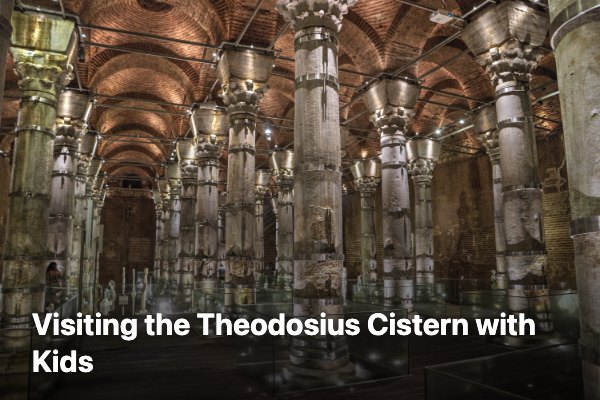
The Cistern of Theodosius, known locally as Şerefiye Sarnıcı, predates the Ottoman conquest by almost a thousand years but sat directly under Ottoman Istanbul’s daily life. It was built in the fifth century to store water for the Byzantine city and continued serving the neighbourhood long after 1453.
Walking distance matters here: the cistern sits a short walk from the Blue Mosque and the Hagia Sophia, which makes it the natural stop between a morning of mosques and an afternoon hamam booking. Daytime visits run within a 9:00 am to 6:00 pm session window and include access plus a mapping light show projected onto the cistern’s columns.
An evening option adds a whirling dervish performance with live Sufi music, entering at 7:45 pm with the dervish performance itself starting at 8:30 pm and the full visit wrapping by 9:15 pm. Snacks and drinks are included in that evening ticket.
Book ahead for the evening slot in particular, since it runs once nightly and fills faster than the daytime sessions. You can book Theodosius Cistern tickets directly for either option.
For the engineering behind the space, the site’s own piece on how the cistern supplied ancient Istanbul goes into the water system in more depth than fits here.
What else is worth seeing beyond the main three sites?
Istanbul’s Byzantine substructure runs well beyond the Theodosius Cistern, and Ottoman builders reused much of it rather than clearing it away.
The city’s wider network of cisterns, covered in the site’s guide to hidden Roman architecture across Istanbul, shows how Ottoman neighbourhoods were literally built on top of Roman and Byzantine infrastructure. Grand Bazaar stalls, mosque courtyards and hamam foundations all sit above older stonework in places.
If time is tight, a focused route works better than trying to cover everything. The site’s piece for first-time visitors to the cistern lays out a sensible order, and the guide built for cruise passengers with limited hours in port compresses the same route into a half day.
Official museum opening arrangements across the city, including any seasonal changes announced for 2026, are maintained by Türkiye’s museums and cultural heritage authority, which is worth a check before locking in a tight itinerary.
How should you plan a one-day Ottoman Istanbul itinerary?
Start with Topkapı Palace in the morning, move to the Blue Mosque and Hagia Sophia around midday, then end with a hamam session in the late afternoon or evening.
This order follows the opening and crowd patterns of the sites rather than a map. Palaces are busiest early; mosques thin out between prayer times; hamams are better booked for the end of the day when sightseeing legs are tired anyway.
- Morning: Topkapı Palace, allowing enough time for the harem wing and the treasury rooms
- Midday: Blue Mosque, Hagia Sophia, and a stop at the Theodosius Cistern for the mapping show
- Afternoon: Süleymaniye Mosque or the Grand Bazaar, depending on energy
- Evening: a hamam session, or the cistern’s dervish performance as an alternative evening plan
Families travelling with children may prefer to swap the hamam for a slower pace; the site’s guide to visiting the Theodosius Cistern with kids covers what works for younger visitors at that particular stop.
Frequently Asked Questions
How many days do you need for Ottoman Istanbul?
Two full days covers the core sites comfortably: one for the palace and mosques of Sultanahmet, one for a hamam, the Bosphorus shore and Dolmabahçe Palace.
Do you need to book mosque visits in advance?
No. Entry to the Blue Mosque and Süleymaniye Mosque is free and does not require advance booking, though visitors are turned away briefly during prayer times.
Is the Cistern of Theodosius part of the Ottoman period?
No. The cistern was built in the fifth century, centuries before the Ottoman conquest of 1453, but it continued supplying the neighbourhood throughout the Ottoman era.
What should you wear to a hamam?
Nothing special is required. Venues provide a peştemal, a thin wrap worn throughout the ritual, and sections are kept separate for men and women at the Ottoman-era hamams.
Can you visit Topkapı Palace and the Blue Mosque in one morning?
Yes, since both sit within walking distance of each other in Sultanahmet, though Topkapı’s courtyards take longer to see properly than most visitors expect.
Which hamam is closest to Sultanahmet’s mosques?
Hürrem Sultan Hamamı sits directly between the Blue Mosque and the Hagia Sophia, making it the most convenient hamam for a Sultanahmet-based day.
Booking a hamam slot ahead of time matters more than it looks, especially for the Ottoman-era venues that run on fixed session lengths rather than walk-in access. Reservations for Çağaloğlu, Çemberlitaş, Hürrem Sultan and the other venues covered here can be made through Istanbul Hamam’s own booking platform, which lists current session times and prices by venue.
Planning a visit? Ask AI to summarise this page
Open this article in your preferred assistant to get the key facts for your trip.
Ask ChatGPTAsk ClaudeAsk Perplexity
Comment (0)