
Last reviewed and updated: November 26, 2026
Plan Istanbul in 7 days by giving each neighbourhood its own block of time instead of darting between districts. Two days for the historic peninsula, two for the Bosphorus and Beyoğlu, one for underground Istanbul, and two flexible days for whatever pulled at you along the way.
Questions answered in this guide
- What makes the Cistern of Theodosius worth a full morning?
- Where should you spend day 5 for Byzantine water engineering?
- How do you use days 6 and 7 without feeling rushed?
- Is 7 days enough time for Istanbul?
- Do you need to book the Cistern of Theodosius in advance?
- Can you bring bags into the cistern?
- Which days should cover the Bosphorus?
- Are the smaller cisterns worth visiting alongside the Cistern of Theodosius?
- What time does the evening dervish show start?
That pacing leaves room for the city to surprise you rather than exhaust you.
- Best for: first-time visitors who want depth over a checklist
- Base area: Sultanahmet or Beyoğlu, both walkable to major sites
- Pace: two neighbourhoods per day maximum
- Weather window: spring and autumn keep outdoor days comfortable
Day 1-2: Sultanahmet’s historic peninsula
The first two days belong to the old city, where the major Byzantine and Ottoman sites sit within a short walk of each other.
Start with the Hagia Sophia and the Blue Mosque on day one, both free to enter and close enough to see in a single morning. Afternoon one goes to Topkapı Palace, which rewards unhurried wandering rather than a rushed pass through. Save some energy for the underground sites, because Sultanahmet hides as much below street level as above it.
Day two is the day to slow down and look at the smaller Roman engineering that most itineraries skip. Istanbul’s old aqueducts and cisterns rarely get a full morning, but they explain how a city of this size survived centuries without modern plumbing.
For a sense of what else sits nearby, the guide to things to do near the Cistern of Theodosius in Sultanahmet lines up a walkable half day around the same streets.
What makes the Cistern of Theodosius worth a full morning?
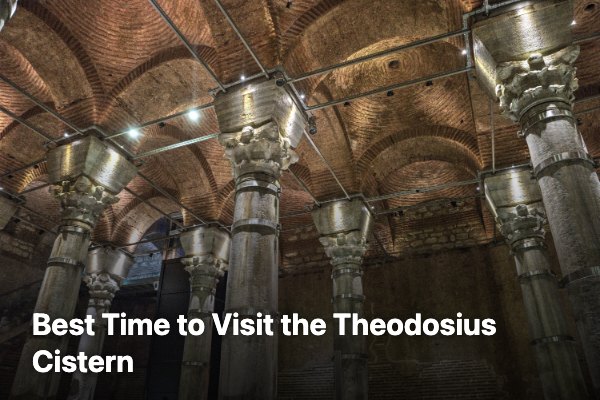
Its scale and its light show together, not just its age. The Cistern of Theodosius, known locally as Şerefiye Sarnıcı, is a Byzantine underground reservoir whose columns and brick vaults now carry a 360 degree projection mapping show rather than water.
A daytime visit runs within the site’s posted session hours of 9:00 am to 6:00 pm, according to the venue’s own ticket pages, and includes access for your chosen session plus the mapping light show.
Two productions currently run on rotation, From Past to Present and Istanbul: City of Water Civilization, both projected across the stone rather than shown on a screen.
If you prefer the evening version, the dervish show ticket brings a different rhythm: entrance around 7:45 pm, the mapping show at 8:15 pm, and a whirling dervish performance with live Sufi music starting at 8:30 pm, finishing by about 9:15 pm. Snacks and drinks are included in that evening session.
Luggage is not allowed inside, and professional photography needs written permission arranged in advance, so plan a stop back at your hotel first if you are carrying bags.
You can check current session availability and book Theodosius Cistern tickets directly through the site before you fix the rest of day two around it.
For background on how the reservoir actually served the city, the piece on how the Cistern of Theodosius supplied ancient Istanbul is worth reading the night before your visit, since the columns make a lot more sense once you know what they were holding back.
Day 3-4: Bosphorus shores and the Golden Horn
Days three and four move the plan out of the old city and onto the water, where Istanbul’s two continents face each other across a narrow strait.
The Bosphorus is the strait dividing Europe and Asia, and a slow look at it from the water explains the city’s shape better than any map. Spend day three on the European shore, walking from Karaköy up through Beyoğlu, and leave the afternoon open for the Galata district’s steep streets and small museums.
Day four is for the Golden Horn, the inlet that separates the old peninsula from the newer districts to its north. Along its banks sit Byzantine churches, Ottoman mosques, and the Fener and Balat neighbourhoods, whose painted houses and steep lanes reward an afternoon with no fixed schedule.
Pace yourself here: this stretch covers a lot of ground, and the point is to wander rather than tick off landmarks.
Where should you spend day 5 for Byzantine water engineering?
Underground, among the cisterns that kept the Byzantine capital running. Day five is the natural follow-up to your Theodosius visit, because Istanbul holds several smaller cisterns that rarely make a first-time list but explain the same system from different angles.
A kese, incidentally, has nothing to do with cisterns, it is the coarse mitt used in a hamam scrub, but the two experiences pair well on a slower day since both sit in the same old city streets.
If cisterns have caught your interest, the Cistern of Aspar and the Cistern of Aetius both survive as open-air reservoirs rather than covered halls, a useful contrast to the Theodosius structure.
Read up on the Cistern of Aspar and the ancient Cistern of Aetius before you go, since both sit a little off the main tourist path and benefit from knowing what you are looking at.
For the engineering story that ties all of these sites together, including how channels and aqueducts fed water into the city from hills miles away, the overview of water engineering secrets of Istanbul’s cisterns works well as a single afternoon’s reading, either before you set out or once you are back at the hotel.
Museums and monuments across Türkiye follow national rules on opening days and holiday closures, and Turkey’s Ministry of Culture and Tourism keeps the authoritative list through its official culture and tourism portal, worth a check if your day five falls on a public holiday.
How do you use days 6 and 7 without feeling rushed?
Keep them deliberately loose. By day six most visitors have covered the major sites, so this is the point to revisit a favourite neighbourhood or follow a thread that opened earlier in the week.
If the Byzantine underground world caught your attention on day five, day six is a good time to go deeper. The piece on hidden Roman architecture across Istanbul points to sites well outside the usual Sultanahmet loop, and a few of them sit close enough to a ferry stop to fold into an otherwise relaxed day.
Day seven works best as a half day rather than a full one, especially if you are flying out that evening. Leave the morning open for a last walk, a market, or a return visit to whichever site you rushed past earlier in the week.
Resist adding a new neighbourhood this late, since the point of a seven day plan is to leave Istanbul without the exhausted feeling a tighter itinerary produces.
Before you fly home, Türkiye’s official tourism portal, goturkiye.com, is a useful last check for any transport or entry updates that might affect a departure day in late 2026.
Frequently Asked Questions
Is 7 days enough time for Istanbul?
Yes, seven days is enough to cover the old city, the Bosphorus shores, and at least one underground cistern without rushing between them, provided you cap each day at two neighbourhoods.
Do you need to book the Cistern of Theodosius in advance?
Advance booking is recommended, since sessions run within set hours and the evening dervish show has a fixed entrance and performance time rather than open access throughout the day.
Can you bring bags into the cistern?
No, luggage is not allowed inside the Cistern of Theodosius, so plan to drop bags at your hotel before a visit rather than carrying them from the airport or a previous stop.
Which days should cover the Bosphorus?
Days three and four work best, giving one day to the European shore around Beyoğlu and one to the Golden Horn’s older neighbourhoods like Fener and Balat.
Are the smaller cisterns worth visiting alongside the Cistern of Theodosius?
Yes, the Cistern of Aspar and the Cistern of Aetius show the same Byzantine water system from an open-air angle, and both pair naturally with a Theodosius visit on a slower day five.
What time does the evening dervish show start?
Entrance begins around 7:45 pm, the mapping show runs from 8:15 pm, and the dervish performance starts at 8:30 pm, finishing by about 9:15 pm.
A seven day Istanbul plan works best when it leaves gaps rather than filling every hour, since the city’s underground cisterns, waterside neighbourhoods, and old city streets all ask to be walked slowly rather than checked off a list.
Planning a visit? Ask AI to summarise this page
Open this article in your preferred assistant to get the key facts for your trip.
Ask ChatGPTAsk ClaudeAsk Perplexity
Comment (0)