
Last reviewed and updated: November 8, 2026
Christmas in Istanbul is a normal working day, not a public holiday, because Türkiye’s majority population is Muslim and the civic calendar doesn’t mark December 25.
Questions answered in this guide
- Is Christmas a public holiday in Istanbul?
- Where does Istanbul actually feel festive?
- What should a first-time visitor plan for this week?
- How does a visit to the Cistern of Theodosius fit into a Christmas-week trip?
- What else is worth seeing while the weather keeps visitors indoors?
- How does transport change during the holiday season?
- Is Christmas Day a holiday in Istanbul?
- What is open on December 25 in Istanbul?
- Where can I see Christmas lights in Istanbul?
- What time does the Cistern of Theodosius close?
- Does Istanbul celebrate New Year differently from Christmas?
- Is it worth visiting Istanbul specifically for Christmas?
Shops, museums, and the Grand Bazaar stay open, while shopping streets like Istiklal Avenue put up lights and trees for the season anyway, since Istanbul also has a long-standing Greek Orthodox, Armenian, and Levantine Christian community. Expect a city that feels festive in patches but keeps running on its usual schedule.
- Public holiday status: December 25 is a normal working day in Türkiye
- Best lit streets: Istiklal Avenue and the Nişantaşı shopping district
- Weather: cool and often wet, so indoor sites matter more
- Good fit: travelers who want museums, cisterns, and markets without crowds of a holiday closure
Is Christmas a public holiday in Istanbul?
No. Türkiye does not list December 25 as an official holiday, so Istanbul’s museums, restaurants, transport, and historic sites run on their normal timetables.
New Year’s Day, January 1, is the holiday Turkish calendars actually mark, which is also why the city’s seasonal lights, trees, and markets tend to be framed as “New Year” decoration rather than strictly Christmas decoration.
Visitors who come expecting closed shutters and quiet streets are usually surprised that Istanbul in late December behaves like any other week, just colder and a little more decorated.
This works in a visitor’s favor. Tickets for sites like the cistern don’t sell out the way they might around a true public holiday, and queues at major attractions stay close to their usual length.
Where does Istanbul actually feel festive?
Istiklal Avenue and the Nişantaşı district carry most of the city’s seasonal atmosphere, with string lights, storefront displays, and the occasional tree in a square.
Istiklal Avenue is the long pedestrian street running from Taksim Square down toward Galata, lined with shops, cinemas, and churches that host services in December. Walking it after dark during the season is the closest Istanbul gets to a European Christmas street.
The Grand Bazaar and Spice Bazaar stay in their usual rhythm rather than adding festive decor, so visitors looking for market lights should head toward the European side’s shopping streets instead.
Hotel lobbies in Beyoğlu and Şişli often put up trees as well, which is sometimes the easiest “Christmas corner” for a traveler on a short visit who doesn’t want to cross the city for it.
What should a first-time visitor plan for this week?
Plan around indoor sites and short daylight hours rather than around holiday closures, since nothing of note actually shuts for Christmas itself.
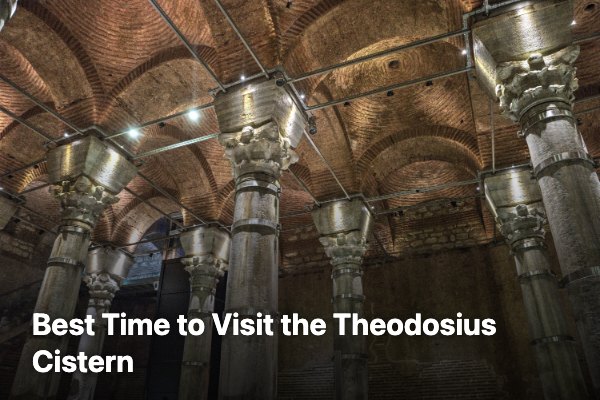
December days in Istanbul are short and often damp, which makes underground and covered sites a practical choice for the middle of the day. The cisterns built under the old city, originally Roman and Byzantine water storage, are a natural fit here because they’re dry, covered, and don’t depend on weather.
Visitors can read more about how these structures worked in a piece on the water engineering behind Istanbul’s historic cisterns.
For travelers staying near Sultanahmet, a short list of what else sits within walking distance is useful for stitching a half-day together without long transfers, covered in things to do near the Theodosius Cistern in Sultanahmet.
How does a visit to the Cistern of Theodosius fit into a Christmas-week trip?
The Şerefiye Sarnıcı, or Cistern of Theodosius, runs a daytime session from 09:00 to 18:00, which fits easily into a short winter day between a market walk and dinner.
The daytime ticket includes access for the chosen session and a mapping light show projected across the cistern’s columns, a practical, covered option when the weather outside is wet.
For an evening that feels more like a seasonal event, the site also runs an evening programme with entrance at 19:45, a mapping show at 20:15, and a whirling dervish performance with live Sufi music starting at 20:30, ending around 21:15. Snacks and drinks are included in that evening ticket.
Şerefiye Sarnıcı is the Turkish name for the same structure, so both terms point to one site near Sultanahmet. Visitors planning either session can book Theodosius Cistern tickets ahead of the date, since the evening show runs on a fixed schedule rather than open hours.
The site doesn’t allow luggage inside, so day-trippers arriving straight from a hotel checkout should plan to drop bags first.
For background on how the cistern came to serve the ancient city in the first place, there’s a longer piece on how the Cistern of Theodosius supplied ancient Istanbul, which helps explain why this particular structure, rather than a newer landmark, is worth the detour during a short December visit.
What else is worth seeing while the weather keeps visitors indoors?
Istanbul’s network of Roman and Byzantine cisterns gives a cold, wet December several covered options beyond the Theodosius site itself.
The Cistern of Aspar and the Cistern of Aetius are both open-air Byzantine reservoirs with a different character from the covered sites, worth a read in a look at the Cistern of Aspar and a guide to the ancient Cistern of Aetius.
Visitors curious about how these structures were rediscovered and restored can also check how the Şerefiye Cistern was restored and reopened, which explains why the site looks as polished as it does today.
Museums run by Türkiye’s Ministry of Culture and Tourism also keep their standard December hours, and travelers checking specific site hours before a holiday-week visit can confirm current arrangements through the official museums and archaeological sites portal.
How does transport change during the holiday season?
Transport doesn’t change for Christmas itself, since December 25 carries no holiday schedule, but New Year’s Eve and New Year’s Day do affect timetables and crowd levels.
Trams, metro lines, and ferries run their usual December timetable through Christmas week, though travelers should still expect heavier foot traffic around Taksim and Sultanahmet in the evenings as locals and visitors go out to see the lights.
Anyone relying on public transport for a first visit can check current routes and fares through Istanbul’s metro operator site before setting out, since schedules around December 31 do shift.
Travelers arriving by cruise and working with a single tight day in port often ask how to fit the old city’s main sights around a ship’s schedule; that planning question is covered separately in a fast Istanbul tour built for cruise passengers.
Frequently Asked Questions
Is Christmas Day a holiday in Istanbul?
No, December 25 is a standard working day across Türkiye, so shops, museums, and transport operate on their usual schedule.
What is open on December 25 in Istanbul?
Everything, in practice: the Grand Bazaar, museums, the historic cisterns, restaurants, and public transport all run their normal hours since no official closure applies.
Where can I see Christmas lights in Istanbul?
Istiklal Avenue is the main option, along with the Nişantaşı shopping district and several hotel lobbies in Beyoğlu and Şişli.
What time does the Cistern of Theodosius close?
18:00 is the end of the daytime session, with a separate evening programme that runs from 19:45 to around 21:15 including a dervish performance.
Does Istanbul celebrate New Year differently from Christmas?
Yes, New Year’s Day on January 1 is the holiday that actually appears on Türkiye’s official calendar, which is why most seasonal decorations are framed around it rather than Christmas.
Is it worth visiting Istanbul specifically for Christmas?
Yes for travelers who want a working city with light crowds and seasonal lighting in a few key streets, less so for anyone expecting a full Christmas-market atmosphere.
Christmas week in Istanbul rewards a visitor who treats it as an ordinary, slightly festive stretch of the calendar rather than a holiday shutdown. The cisterns, bazaars, and museums stay open through it, the lights go up on a handful of streets, and the real holiday, New Year’s Day, arrives a week later with its own quieter rhythm.
Planning a visit? Ask AI to summarise this page
Open this article in your preferred assistant to get the key facts for your trip.
Ask ChatGPTAsk ClaudeAsk Perplexity
Comment (0)