
Last reviewed and updated: October 26, 2026
The best place to spend New Year in Istanbul is around the Bosphorus waterfront, from Karaköy down to Ortaköy, where fireworks, boat parties and open-air crowds concentrate every December 31st. Book your dinner, cruise or show by early December, since the popular slots sell out well before the holiday.
Questions answered in this guide
- Where should I actually stand for New Year in Istanbul?
- Should I book a Bosphorus cruise for December 31st?
- What about the hammam and spa route instead of a party?
- Is an indoor cultural evening a good alternative to the street parties?
- What should I book first, and what can wait?
- Are museums and historic sites open around New Year?
- What else is worth exploring if I’m in Istanbul for several days around New Year?
- What should I pack or arrange for New Year’s Eve specifically?
- Is Taksim Square safe to visit on New Year’s Eve?
- Do I need to book a restaurant table weeks in advance?
- Can I just show up to a Bosphorus cruise on the day?
- What is a mapping light show?
- Is New Year’s Day a good time for sightseeing instead of New Year’s Eve itself?
- Do museums close on New Year’s Day?
- Best areas: Karaköy, Ortaköy and Kabataş for waterfront views
- Book by: early December for dinner cruises and shows
- Dress for: cold wind off the water, even on a clear night
- Alternative plan: an indoor cultural evening away from the crowds
Where should I actually stand for New Year in Istanbul?
The Bosphorus shoreline between Karaköy and Ortaköy gives the clearest view of the fireworks and the general street energy on New Year’s Eve.
Istiklal Street and Taksim Square fill early and stay dense until well past midnight, so arriving late means watching the night from the back of a crowd rather than the front.
Families and anyone who dislikes being pressed into a crowd tend to do better along the quieter stretches near Kabataş, where the view is still open to the water but the foot traffic is thinner.
If a boat is part of the plan, note that cruise operators publish fixed departure windows rather than open boarding, so a missed check-in time usually means a missed boat, not a later one.
Should I book a Bosphorus cruise for December 31st?
Yes, if a waterfront dinner or a view of the fireworks from the water matters to you, because New Year’s Eve cruises are among the first sailings to sell out each winter.
Operators running the Bosphorus typically offer standard, vegetarian and VIP seating tiers for evening sailings, with live music and a show built into the later departures rather than the daytime sightseeing routes.
A daytime Bosphorus sightseeing sailing runs a different, shorter format aimed at views rather than dinner, so check which type of departure a listing is actually describing before paying.
Whichever boat you choose, confirm the boarding time separately from the departure time. Many evening sailings close boarding a set window before the boat actually leaves the pier, and arriving at the posted departure time rather than the boarding time is a common way visitors miss the boat entirely.
What about the hammam and spa route instead of a party?
A hammam session is a practical way to spend part of New Year’s Eve or New Year’s Day without fighting the Istiklal Street crowds at all.
A hammam is a Turkish steam bath built around a heated marble platform called a göbek taşı, where an attendant called a tellak (for men) or natır (for women) performs a scrub and foam massage after a warming period.
Historic hammams in the old city run longer sessions with separate sections for men and women, while several modern locations near Taksim and Şişli use female therapists only, which matters if the booking is for a mixed group.
Because hammams run on a session system rather than a drop-in basis, the slots either side of midnight on December 31st are the ones to book earliest, not the slots during the daytime on January 1st when demand drops sharply.
Is an indoor cultural evening a good alternative to the street parties?
Yes, especially for visitors who want a quieter, seated evening rather than standing in a crowd waiting for midnight.
A whirling dervish ceremony is a Sufi devotional performance built around the sema, a turning dance meant to represent spiritual ascent, usually accompanied by live music rather than recorded tracks.
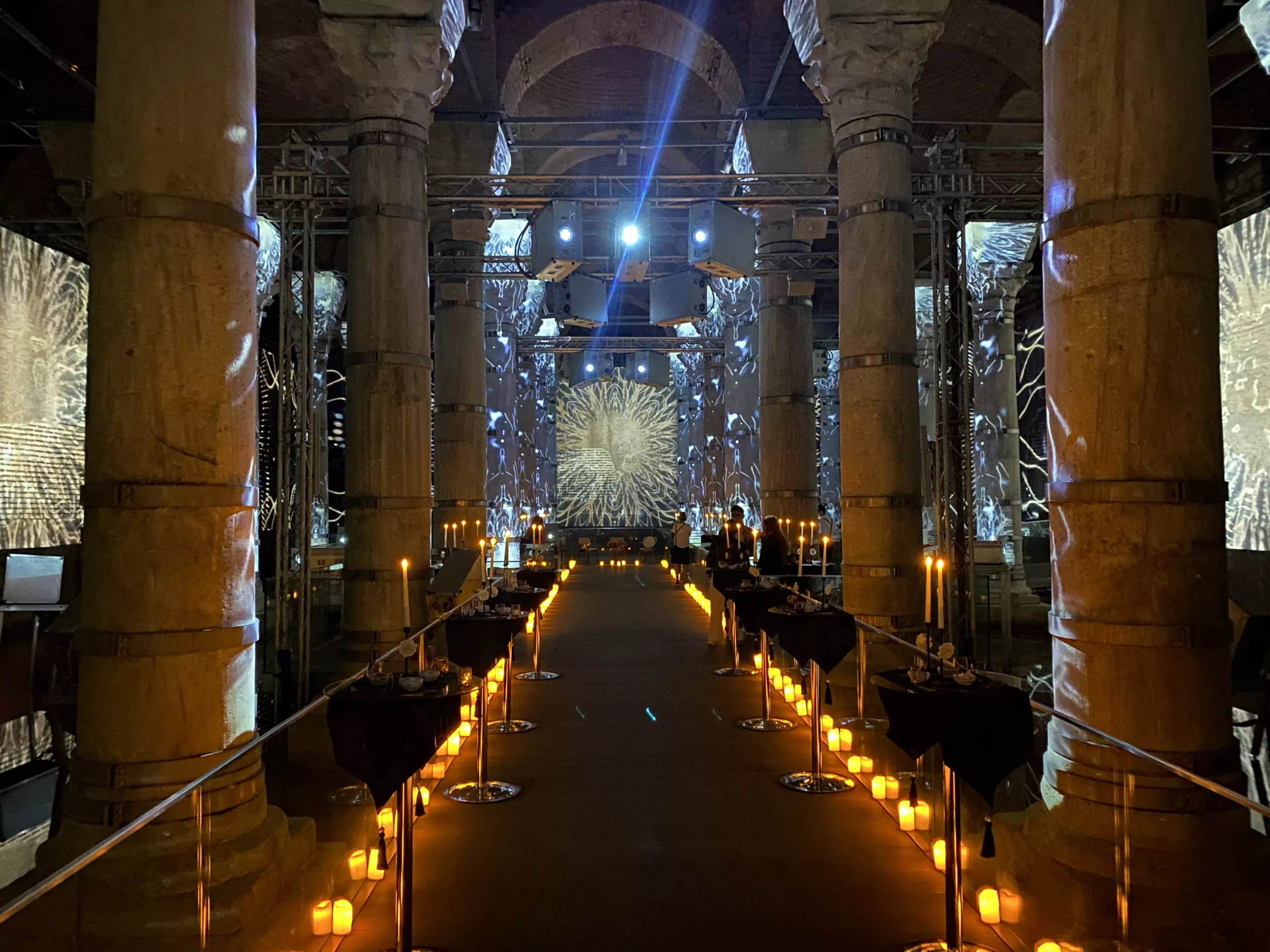
Evening programs that pair a mapping light show with a dervish performance give structure to the night: an entrance window, a projection segment, then the performance itself, which suits visitors who want a fixed schedule rather than an open-ended street party. For the full background on the ceremony itself, see our explainer on the whirling dervish ceremony.
Cold, wet weather around New Year is routine in Istanbul, so an indoor evening also removes the risk of standing outdoors for hours in December rain. A list of other covered options for a cold evening is worth checking in our guide to indoor things to do in Istanbul.
What should I book first, and what can wait?
Book transport and any dinner reservation first, since those fill before sightseeing slots do.
The table below is a rough order of priority based on how fast each category typically fills around New Year.
| Booking | When to confirm | Why it fills fast |
|---|---|---|
| Dinner cruise or waterfront restaurant | Early December | Fixed seating, limited tables per sailing |
| Hammam session near midnight | Early to mid December | Session-based scheduling, few evening slots |
| Evening cultural show or performance | Mid December | Set entrance times, capped capacity |
| Daytime sightseeing or museum visit | Can wait until closer to the date | Higher daily capacity, less demand at this time of year |
Daytime sightseeing is the most forgiving category to leave until last. A visit built around Sultanahmet’s underground sites, for example, works well as a low-key January 1st activity once the New Year’s Eve rush has passed.
Our roundup of things to do near the Theodosius Cistern in Sultanahmet covers a walkable cluster of stops for exactly that kind of quiet morning.
Are museums and historic sites open around New Year?
Opening arrangements change around public holidays, so the safest approach is checking the relevant site directly rather than assuming normal hours apply.
Istanbul’s state-run museums and palaces often adjust hours or close entirely on specific holiday dates, and the schedule is set by the national authority rather than by each individual venue.
The Ministry of Culture and Tourism’s museums portal publishes the current holiday calendar for state museums, and it is worth a direct check before building a daytime plan around New Year’s Day in 2026.
Independent and privately run sites, including most cisterns and cultural venues in the old city, generally set their own holiday hours separately from the state museum calendar, so a second check on the specific venue’s own page is worth the extra minute.
What else is worth exploring if I’m in Istanbul for several days around New Year?
Several underground and Byzantine sites in the old city make a good counterpoint to the noise of New Year’s Eve itself.
Istanbul sits on a dense layer of Roman and Byzantine water infrastructure, much of it still visible beneath the modern street level. Our piece on hidden Roman architecture around Istanbul is a useful starting point, and the companion article on how the Cistern of Theodosius supplied ancient Istanbul explains the engineering behind what visitors actually see underground.
These sites tend to stay calm even during the busiest tourist weeks of the year, since foot traffic concentrates on the waterfront and the main squares rather than the smaller cisterns scattered through the old city.
What should I pack or arrange for New Year’s Eve specifically?
Warm layers, a charged phone for tickets, and a printed or offline copy of any booking confirmation cover most of what actually goes wrong on the night.
- A warm coat and closed shoes; waterfront wind is sharper than the temperature alone suggests
- A screenshot or offline copy of any e-ticket, since mobile networks slow down in dense crowds
- Cash in small notes for taxis and street vendors when card machines are overloaded
- A fixed meeting point for your group, agreed before the crowds build
Public transport in Istanbul often runs extended or adjusted schedules on New Year’s Eve, and checking the current plan with Istanbul’s municipal services site before heading out avoids relying on a normal weekday timetable that may not apply that night.
Frequently Asked Questions
Is Taksim Square safe to visit on New Year’s Eve?
Generally yes, though the square gets extremely dense and slow to move through after early evening. Visitors who prefer open space tend to shift toward Kabataş or the Ortaköy waterfront instead.
Do I need to book a restaurant table weeks in advance?
Yes, for any waterfront or well-known restaurant on December 31st specifically. Early December is the realistic deadline for securing a table rather than a last-minute walk-in.
Can I just show up to a Bosphorus cruise on the day?
Rarely, for New Year’s Eve sailings. Evening cruises with dinner or a show typically sell their seating tiers out well before the date, unlike a routine daytime sightseeing sailing.
What is a mapping light show?
A 360° projection show. It uses light and imagery projected onto walls or ceilings to tell a historical story, often paired with a live performance in the same evening program.
Is New Year’s Day a good time for sightseeing instead of New Year’s Eve itself?
Yes, usually. Crowds thin out noticeably the morning after, making January 1st a calmer day for museums, cisterns and walking routes around the old city.
Do museums close on New Year’s Day?
Sometimes, depending on the venue. State museums follow a holiday calendar set by the Ministry of Culture and Tourism, while independent sites set their own hours separately.
New Year in Istanbul rewards early planning more than almost any other week of the year, simply because the city’s waterfront, cruises and evening shows all draw from the same small pool of seats.
Lock in transport, dinner and any boat or show first, leave the daytime sightseeing for whenever it fits, and the rest of the trip tends to fall into place on its own.
Planning a visit? Ask AI to summarise this page
Open this article in your preferred assistant to get the key facts for your trip.
Ask ChatGPTAsk ClaudeAsk Perplexity
Comment (0)