
Last reviewed and updated: November 23, 2026
Istanbul is safe for tourists by most measures that matter for a visit: violent crime against travelers is rare, the main sightseeing districts are heavily policed, and public transport runs late into the night. The real risks are petty theft, overpriced taxis and a handful of well-practiced scams, not physical danger.
Questions answered in this guide
- Is Istanbul Safe for Tourists in 2026?
- What Areas Should First-Time Visitors Avoid?
- Is Public Transport in Istanbul Safe?
- What About Scams Targeting Tourists?
- Is the Cistern of Theodosius Safe to Visit?
- What Should Women Travelers Know?
- How Do Emergency Services Work for Visitors?
- What Should Be in a First-Timer’s Safety Checklist?
- Is Istanbul safe to walk around at night?
- Is tap water safe to drink in Istanbul?
- Do I need travel insurance for Istanbul?
- Are taxis safe in Istanbul?
- Is the Sultanahmet area safe for families with children?
- What number do I call in an emergency in Istanbul?
- Biggest real risk: pickpocketing and taxi overcharging in tourist-dense streets
- Safest areas: Sultanahmet, Beyoğlu and the main waterfront districts
- Emergency number: 112 for general emergencies, reachable anywhere in Türkiye
- Women traveling alone: generally fine in daylight, more caution advised late at night away from main streets
Is Istanbul Safe for Tourists in 2026?
Yes, for the areas most visitors actually see. Sultanahmet, Beyoğlu, Kadıköy and the Bosphorus shoreline see heavy foot traffic, visible police presence and good street lighting through the evening.
The city’s violent crime rate against foreign visitors is low compared with other major European capitals, and most incident reports involve theft rather than assault. The practical worry for a first-time visitor is less about personal safety and more about not getting overcharged, not wandering into an unlit back street at 3am, and knowing which taxis to trust.
Sultanahmet in particular, home to the Blue Mosque, Hagia Sophia and the underground cisterns, is one of the most monitored districts in the city because of its concentration of monuments. If you are planning a route through the old city, our guide to things to do near the cistern in Sultanahmet covers the immediate neighborhood in more detail.
What Areas Should First-Time Visitors Avoid?
None of the main tourist zones require avoidance outright, but a few neighborhoods are better visited by day than alone after midnight.
Tarlabaşı, just off İstiklal Avenue, has a reputation for pickpocketing and is best skipped on a first visit, especially after dark. Dolapdere and some stretches near the old city walls thin out at night and lack the lighting of the main squares.
None of this means these areas are dangerous for a daytime walk. It means the same rule that applies in any large city applies here: stick to lit, populated streets after dark, and take a taxi or ride-hailing app rather than walking an unfamiliar route at 1am.
Is Public Transport in Istanbul Safe?
Yes. The tram, metro, metrobus and ferries are well used by locals of all ages and are considered one of the safer ways to move around the city, day or night.
The Istanbulkart is the city’s rechargeable transit card and covers trams, metro, buses and ferries on a single balance. Crowding at rush hour is the main nuisance, which is also when pickpocketing risk rises slightly on the busiest tram lines like T1, which runs through Sultanahmet.
Ferries across the Bosphorus and the Golden Horn are run by Şehir Hatları, the municipal ferry operator, and are generally considered a relaxed, low-risk way to see the city from the water. For official routes and current schedules, the municipal ferry operator’s site is the source to check before a crossing.
Taxis are the one transport category that causes the most visitor complaints, almost always about meter manipulation or long detours. Use a ride-hailing app where possible, or confirm the driver starts the meter (“taksimetre”) before moving.
What About Scams Targeting Tourists?
The most common scams are low-stakes but annoying: inflated taxi fares, bars that add hidden charges to a bill, and shoeshine men who “drop” a brush to start a conversation that ends in a sale.
A few patterns worth knowing before arrival:
- A stranger offering to guide you “for free” near a major mosque, who then expects payment
- Restaurant menus without visible prices, particularly around Taksim and Sultanahmet
- Taxi drivers claiming the meter is broken and quoting a flat fare instead
- Carpet shop owners striking up friendly conversation that leads into a sales pitch
None of these scams involve physical risk. They cost money and time, not safety, and almost all of them are avoidable by agreeing a price or route before you commit to anything.
Is the Cistern of Theodosius Safe to Visit?
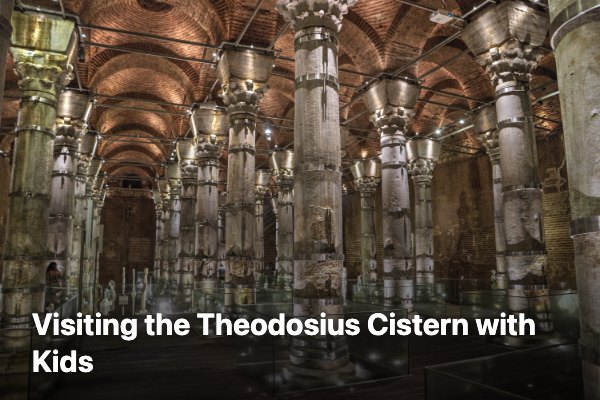
Yes. The Cistern of Theodosius, also known as Şerefiye Sarnıcı, is an indoor, staffed, ticketed site in the heart of Sultanahmet with controlled access and no outdoor safety concerns.
The daytime visit runs within the site’s 09:00 to 18:00 session window, and the evening program adds a mapping light show and a whirling dervish performance with live Sufi music, finishing around 21:15.
Both formats are indoor, supervised and short, which makes the cistern a comfortable stop even for visitors who are cautious about crowds or late-evening walks elsewhere in the city.
Large luggage is not permitted inside, and professional photography needs written permission arranged in advance, so plan accordingly if you are carrying bags from a hotel transfer. You can book Theodosius Cistern tickets ahead of your visit to avoid queuing at the door.
For context on what makes this site different from Istanbul’s other underground cisterns, see our guide to Istanbul’s ancient cisterns and the piece on how the cistern supplied ancient Istanbul with water.
What Should Women Travelers Know?
Solo women travel in Istanbul regularly and safely, particularly in Sultanahmet, Beyoğlu and Kadıköy, where streets stay busy well into the evening.
Street harassment does happen, as in most large cities, and is more likely late at night in quieter side streets than in daylight on main thoroughfares. Dressing modestly is expected when entering mosques, where a headscarf and covered shoulders and knees are required, but there is no general dress code for the rest of the city.
Taking a taxi rather than walking long distances alone after midnight, and sharing a live location with someone when out late, are the same precautions that apply in any large European city.
How Do Emergency Services Work for Visitors?
Dial 112 for any general emergency in Türkiye; the operator routes the call to police, ambulance or fire as needed.
Separate direct lines also exist: 155 for police, 110 for fire, 156 for the gendarmerie (rural and some outer-district policing) and 158 for the coastguard. These numbers work from any phone, including foreign SIM cards, without a local balance required in most cases.
For wider travel advisories, visa questions or official tourism information before the trip, Türkiye’s official tourism portal is the government source to check, alongside the official museums and heritage site for opening arrangements at state-run monuments.
What Should Be in a First-Timer’s Safety Checklist?
A short list covers most of what matters: agree taxi fares or use an app, keep valuables in a front pocket or zipped bag on the tram, avoid unlit side streets after midnight, and carry a photocopy of your passport rather than the original.
Timing a visit around quieter hours also helps avoid the pickpocketing risk that comes with the biggest crowds. Our guide to the best time to visit the cistern and fast Istanbul tour plan for cruise passengers both build a day around the calmer windows at major sites.
Frequently Asked Questions
Is Istanbul safe to walk around at night?
Yes, in the main tourist districts like Sultanahmet, Beyoğlu and Kadıköy, where streets stay lit and busy. Quieter side streets further out are better avoided alone after midnight.
Is tap water safe to drink in Istanbul?
Most visitors stick to bottled or filtered water, since tap water is heavily chlorinated and can upset travelers unused to it, even though it meets municipal safety standards.
Do I need travel insurance for Istanbul?
Recommended. Istanbul has good private hospitals, but treatment is billed directly to visitors without local insurance, so travel cover avoids a large out-of-pocket cost.
Are taxis safe in Istanbul?
Generally yes for physical safety, with the main risk being overcharging rather than danger. Confirm the meter is running or book through a ride-hailing app instead.
Is the Sultanahmet area safe for families with children?
Yes. Sultanahmet is one of the most walkable, policed and monitored districts in the city, with wide pedestrian areas around the main monuments.
What number do I call in an emergency in Istanbul?
112 is the general emergency number in Türkiye, reachable from any phone and routed to police, ambulance or fire as needed.
Istanbul rewards the same common sense that works in any large city: stay in lit, busy streets after dark, agree prices before you commit, and keep valuables close on crowded transport. None of that should discourage a first visit in 2026, and the biggest monuments, including the cistern itself, are among the most closely managed sites in the old city.
Planning a visit? Ask AI to summarise this page
Open this article in your preferred assistant to get the key facts for your trip.
Ask ChatGPTAsk ClaudeAsk Perplexity
Comment (0)