
Last reviewed and updated: November 19, 2026
The Valens Aqueduct carried spring water from the Thracian hills into the heart of Constantinople, feeding the underground cisterns that kept the city alive through sieges and dry summers. Its surviving arches still cross Atatürk Boulevard in Fatih, a short walk from Sultanahmet.
Questions answered in this guide
- What Was the Valens Aqueduct?
- How Did the Aqueduct Bring Water Into the City?
- Where Can You See the Valens Aqueduct Today?
- How Does the Aqueduct Connect to the Cistern of Theodosius?
- What Other Cisterns Did This Water System Feed?
- How Do You Get From the Aqueduct to the Cistern on Foot?
- What Else Is Worth Seeing Nearby?
- Is the Valens Aqueduct free to visit?
- How long is the surviving section of the aqueduct?
- Did the Valens Aqueduct feed the Cistern of Theodosius directly?
- Can you combine an aqueduct walk with a cistern visit in one afternoon?
- Is luggage allowed inside the Cistern of Theodosius?
- Does the evening session at the cistern differ from the daytime visit?
- Built by: Emperor Valens, completed around 368 AD
- Function: carried water into the city’s storage cisterns
- Where to see it: the surviving span over Atatürk Boulevard, Fatih district
- Linked site nearby: the Cistern of Theodosius, open daily 9:00 am to 6:00 pm as of November 2026
What Was the Valens Aqueduct?
A Roman era bridge-aqueduct that carried fresh water into Constantinople from springs well outside the city walls. It is named for Emperor Valens, who completed the structure in the late fourth century.
An aqueduct, in this context, is an engineered channel, part tunnel and part raised bridge, built to move water downhill by gravity over long distances. The Valens Aqueduct was the visible, monumental section of a much longer network that stretched more than 250 kilometres into Thrace by the time later emperors extended it.
Before the aqueduct, Constantinople relied heavily on wells and rainfall, which could not support a capital city of its size. Once the water line was running, the city could store surplus water underground against drought, siege, or simple seasonal shortage. That storage problem is what produced the cisterns the city is now known for.
How Did the Aqueduct Bring Water Into the City?
Gravity did the work. Water flowed from distant springs through channels, tunnels, and bridges that lost height slowly enough to keep moving but gently enough not to damage the structure.
The aqueduct’s famous double-tier arches, the ones still standing over the modern boulevard, were built where the land dropped sharply and a simple channel could not bridge the gap. Engineers raised the water line on stone piers instead of rerouting it around the valley, which would have added distance and risk.
Once inside the city walls, the water reached distribution points and from there was directed into open reservoirs and covered cisterns. The underground cisterns mattered most in dry months or under siege, when the exposed aqueduct line outside the walls could be cut by an attacking army.
For more on how that storage system actually worked day to day, the article on water engineering behind Istanbul’s cisterns covers the filtration and distribution side in detail.
Where Can You See the Valens Aqueduct Today?
The clearest surviving stretch spans Atatürk Boulevard in the Fatih district, between the Saraçhane and Beyazıt areas. It is free to view from street level at any time, since it is a public monument rather than a ticketed site.
The remaining arches run for several hundred metres and are best seen either from the boulevard itself or from the small park on its western side, where benches give a clean sightline without traffic in the foreground. Morning light works better than afternoon, since the structure faces east.
The aqueduct is not staffed or signed in much detail, so it rewards a visitor who already knows a little of the history before arriving. Türkiye’s official tourism portal lists the monument among the city’s Roman era landmarks, and Türkiye’s official tourism portal is a reasonable starting point if you want a government-maintained overview before you go.
Walking the length of the aqueduct takes under half an hour. Many visitors combine it with a walk down toward Sultanahmet, which puts the city’s two best known cisterns within easy reach on the same outing.
How Does the Aqueduct Connect to the Cistern of Theodosius?
The Cistern of Theodosius was one of the underground reservoirs that the Valens Aqueduct’s network helped fill, storing water brought in from outside the city for use during shortages. The cistern, also known as Şerefiye Sarnıcı, sits a short walk from the surviving aqueduct arches.
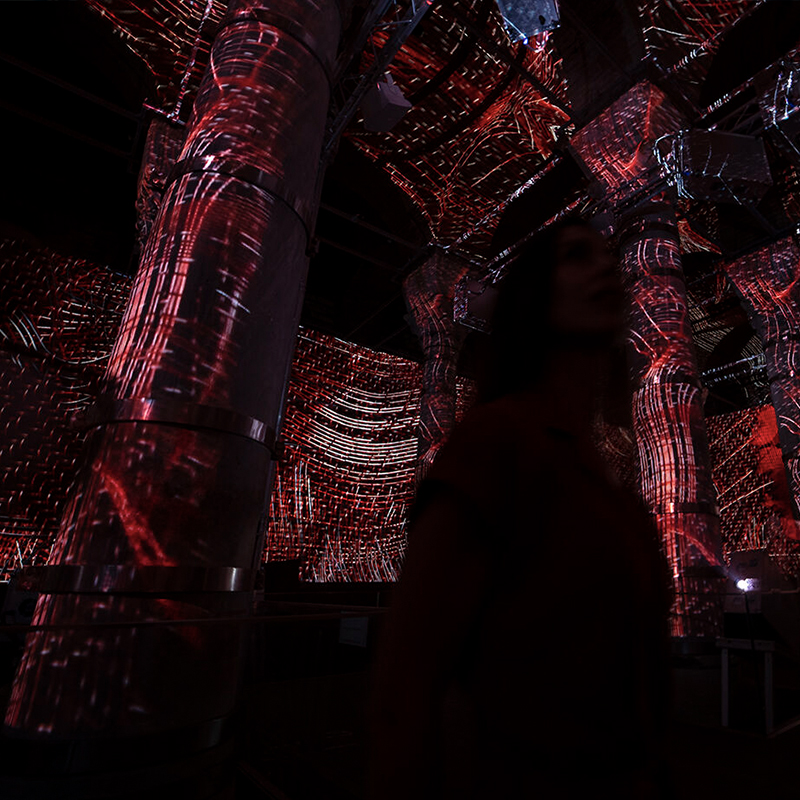
Visiting the cistern today means stepping down into a restored underground hall with rows of columns, a 360° projection mapping show, and a cool, quiet atmosphere that contrasts sharply with the street above.
The daytime session runs from 9:00 am to 6:00 pm as of November 2026, according to the venue’s own ticket pages, with a separate evening programme that pairs the mapping show with a whirling dervish performance and live Sufi music starting at 8:30 pm.
Luggage is not permitted inside, and professional photography requires written permission arranged in advance, so plan camera gear and bags accordingly.
For a closer look at how this particular cistern fit into the city’s water supply, see the article on how the Cistern of Theodosius supplied ancient Istanbul, and for the restoration story read about how the Şerefiye Cistern was restored and reopened. You can book Theodosius Cistern tickets directly for either session before your visit.
What Other Cisterns Did This Water System Feed?
Several of Istanbul’s best known underground cisterns, including the much larger Basilica Cistern, drew on the same aqueduct network that fed the Cistern of Theodosius. Each reservoir served a different part of the city or a different palace complex.
Comparing the two most visited cisterns helps when you are deciding which to prioritise on a short trip:
| Feature | Cistern of Theodosius | Basilica Cistern |
|---|---|---|
| Scale | smaller, more intimate hall | much larger, higher ceiling |
| Evening programme | dervish performance and live music | not offered |
| Crowds | generally lighter | busier, especially midday |
A full side by side rundown, including layout and what each space feels like underground, is in the article on the Cistern of Theodosius compared with the Basilica Cistern. If you want the wider picture of how many such reservoirs survive across the old city, the guide to Istanbul’s ancient cisterns lists the main ones worth knowing about.
How Do You Get From the Aqueduct to the Cistern on Foot?
Walking. The surviving aqueduct arches and the Cistern of Theodosius sit close enough together that a direct walk between them takes well under half an hour at an easy pace.
From the Atatürk Boulevard arches, the route runs roughly southeast through the university district and down toward Sultanahmet, passing several Ottoman era buildings along the way. There is no need for a taxi or tram for this particular leg of the trip.
If you are starting from elsewhere in the city, such as a hotel near Taksim or the Bosphorus shoreline, public transport options and the nearest stops are laid out in the article on how to get to the Theodosius Cistern.
The Istanbul municipality’s own transport authority, listed at İETT, Istanbul’s public bus operator, is worth checking for current routes and fares before you set off.
What Else Is Worth Seeing Nearby?
Sultanahmet’s old city holds most of what pairs naturally with an aqueduct and cistern visit: Hagia Sophia, the Blue Mosque, and the Hippodrome are all within comfortable walking distance.
Several smaller cisterns and museums sit in the same stretch of the old city, and a few of them turn up as filming locations for international productions, a detail covered in famous cisterns featured in film and television.
Anyone curious about the carved symbols found on some cistern columns, or the odd acoustic effects reported inside these underground halls, will find more detail in the pieces on hidden symbols found inside Istanbul’s cisterns and the sound mysteries reported in Istanbul’s cisterns.
A practical list of cafés, shops, and short stops around the cistern itself is in things to do near the Theodosius Cistern in Sultanahmet, which is useful for filling the time before or after an evening session.
Frequently Asked Questions
Is the Valens Aqueduct free to visit?
Yes. The surviving arches cross a public street in the Fatih district and can be viewed at any time without a ticket, since the site is a monument rather than a managed attraction.
How long is the surviving section of the aqueduct?
Several hundred metres remain standing over Atatürk Boulevard, enough for a short, unhurried walk along its length in under half an hour.
Did the Valens Aqueduct feed the Cistern of Theodosius directly?
Largely yes. The aqueduct network brought water into the city, and cisterns such as the Theodosius reservoir stored that supply underground for use during shortages or sieges.
Can you combine an aqueduct walk with a cistern visit in one afternoon?
Easily. The walk between the two sites takes well under half an hour, leaving plenty of time to join a daytime session at the cistern, which runs from 9:00 am to 6:00 pm as of November 2026.
Is luggage allowed inside the Cistern of Theodosius?
No. Bags beyond a small daypack are not permitted inside, so plan ahead if you are travelling between hotels or heading straight to the airport afterward.
Does the evening session at the cistern differ from the daytime visit?
Yes. The evening programme pairs the mapping light show with a whirling dervish performance and live Sufi music, with entrance at 7:45 pm and the full programme running through to about 9:15 pm.
Seeing the Valens Aqueduct and then walking down into the Cistern of Theodosius gives a fuller sense of how Constantinople actually moved and stored its water, from the visible stone bridge above ground to the quiet columned hall below it.
You can book your Cistern of Theodosius tickets here before you go, for either the daytime or the evening dervish session.
Planning a visit? Ask AI to summarise this page
Open this article in your preferred assistant to get the key facts for your trip.
Ask ChatGPTAsk ClaudeAsk Perplexity
Comment (0)