
Istanbul is a city that reveals much of its most fascinating history not above ground, but beneath its streets, where ancient infrastructure continues to survive below modern life. Among these hidden landmarks, Yerebatan Cistern and Serefiye Cistern stand out as two of the most visited and most discussed underground sites, each offering a distinct interpretation of Byzantine water architecture and urban planning.
Travelers often find themselves comparing Yerebatan Cistern or Serefiye Cistern when planning a cultural itinerary, especially when time is limited and choices must be made carefully. Although both cisterns served similar functional purposes in the past, the way they are experienced today differs significantly in atmosphere, presentation, and visitor engagement.
Understanding the differences between these two landmarks helps visitors decide which one aligns better with their interests, whether they are drawn to immersive historical depth or modern, guided storytelling.
Yerebatan Cistern: A Journey into the Past
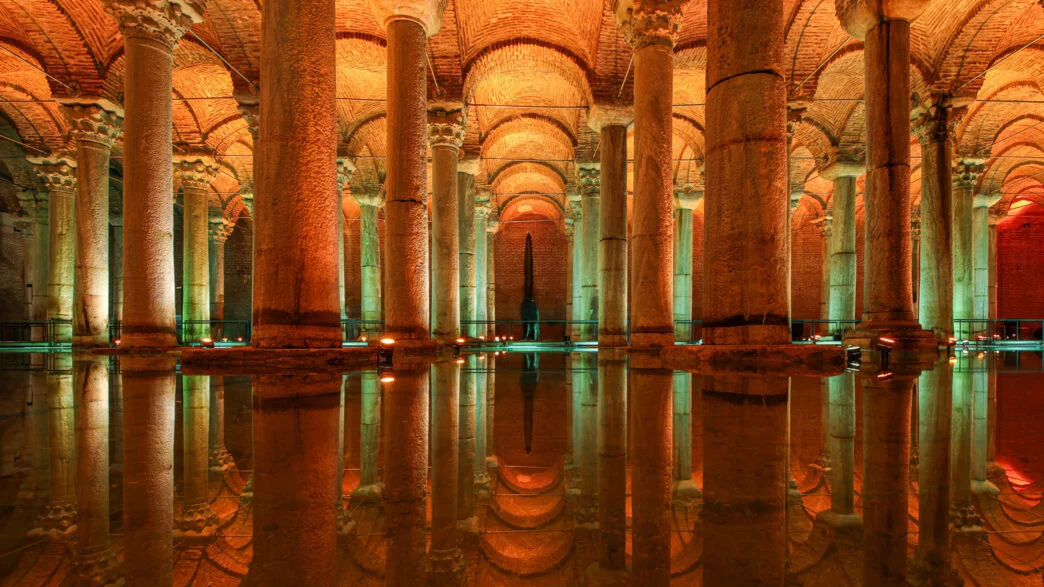
Yerebatan Cistern, also known as the Basilica Cistern, dates back to the sixth century and was constructed during the reign of Byzantine Emperor Justinian I as part of Constantinople’s extensive water supply system. Designed to store and distribute water to the Great Palace and surrounding districts, the structure reflects the scale and ambition of imperial engineering at its height.
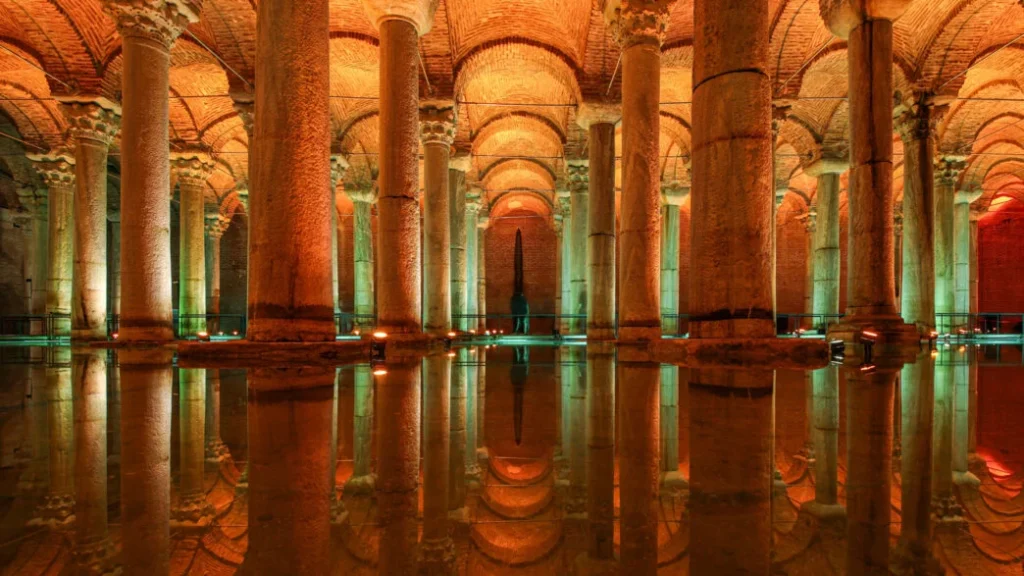
Upon entering Yerebatan Cistern, visitors are immediately surrounded by hundreds of marble columns arranged in long, symmetrical rows that stretch into the distance, creating a powerful sense of depth and monumentality. The dim lighting and shallow water covering the floor amplify the feeling of stepping into a preserved fragment of the ancient city, largely untouched by time.
One of the most distinctive features of Yerebatan Cistern is the presence of the Medusa head column bases, which have become iconic symbols associated with the site. Their mysterious placement and orientation have inspired centuries of speculation, adding layers of myth and intrigue to an already atmospheric space.
The experience inside Yerebatan Cistern is largely self-guided, allowing visitors to move at their own pace, observe architectural details closely, and absorb the quiet, contemplative environment that defines the site.
Serefiye Cistern: History Presented Through Technology
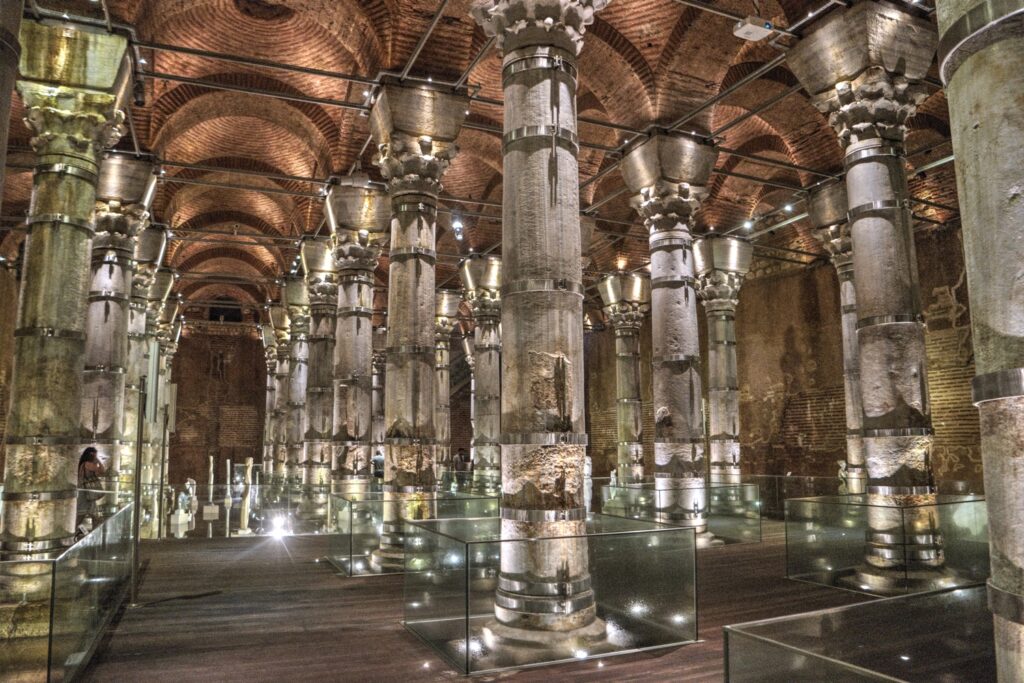
Serefiye Cistern, also known as the Cistern of Theodosius, was originally built in the late fourth century and has undergone a comprehensive modern restoration that transformed it into a contemporary cultural space without compromising its historical identity.
Unlike Yerebatan Cistern, the experience at Serefiye Cistern is structured around a carefully designed narrative supported by synchronized light, sound, and projection systems that guide visitors through the history of the structure and the broader story of Byzantine water management.
The visit follows a clear and timed flow, typically lasting around thirty minutes, making it particularly appealing to families, first-time visitors, and travelers who prefer a concise yet informative experience. The combination of technology and architecture creates a layered presentation in which history is explained visually rather than left entirely to personal interpretation.
Because of its organized format and modern accessibility features, Serefiye Cistern feels less mysterious but more educational, offering clarity and context that helps visitors quickly grasp the significance of the structure within Istanbul’s urban development.
Yerebatan Cistern or Serefiye Cistern: Which One Should You Choose?
Choosing between Yerebatan Cistern or Serefiye Cistern ultimately depends on personal expectations and travel style rather than on historical importance alone, as both sites represent essential elements of Istanbul’s underground heritage.
You may prefer Yerebatan Cistern if you are seeking a deeply atmospheric experience that emphasizes scale, silence, and visual drama, where history is felt rather than explained and photography plays a central role in the visit.
You may prefer Serefiye Cistern if you value structured storytelling, modern presentation techniques, and a shorter, more curated visit that fits easily into a busy sightseeing schedule.
Both Yerebatan Cistern and Serefiye Cistern offer valuable and memorable experiences that reflect different ways of engaging with the same historical legacy, and neither choice can be considered incorrect.
For visitors with enough time, experiencing both sites provides a fuller understanding of how ancient infrastructure can be preserved, interpreted, and reimagined across centuries, blending raw historical atmosphere with contemporary exhibition design.
Whether you choose one or both, exploring Istanbul’s cisterns reveals how the city’s survival, growth, and identity were shaped as much by what lies beneath the surface as by what rises above it.

Comment (0)