
Rare Artifacts Discovered in Istanbul Cisterns
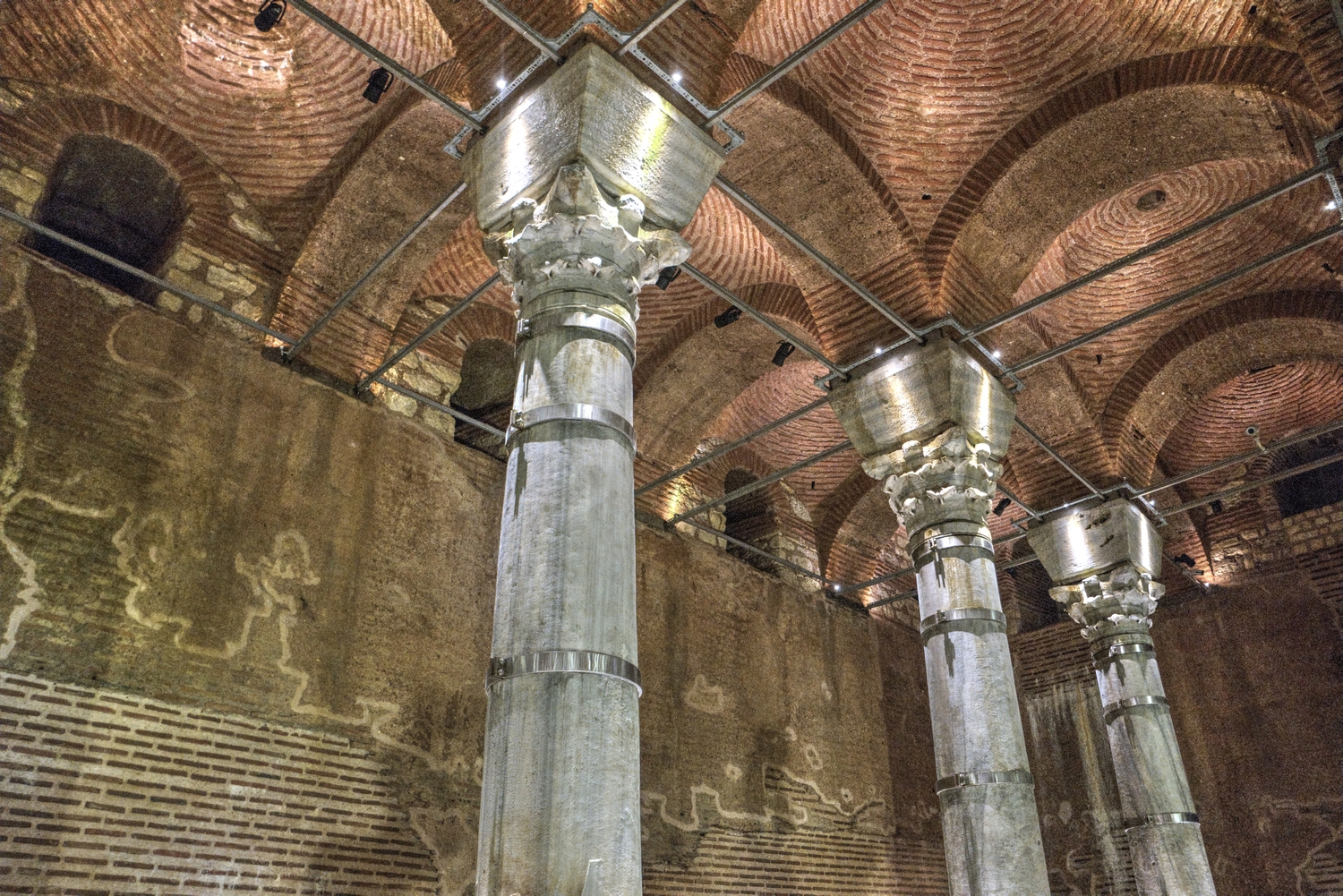
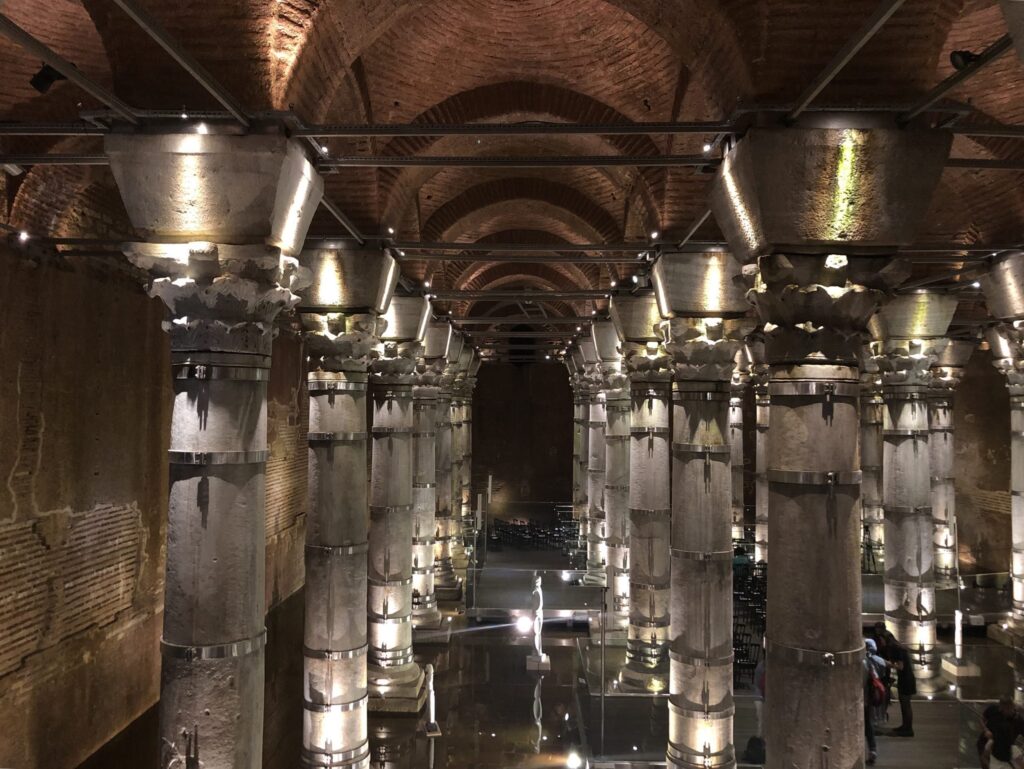
Beneath the lively streets of Istanbul lies a vast, mysterious world of underground cisterns. These ancient reservoirs once powered the Byzantine and Ottoman empires, storing millions of liters of water and ensuring the city’s survival during sieges, droughts, and military threats. While today many cisterns attract tourists with their dramatic columns and atmospheric walkways, few people realize that they have also become unexpected archaeological treasure houses.
Over the last century, archaeologists and historians have unearthed rare artifacts discovered in Istanbul cisterns, revealing forgotten stories of emperors, merchants, rituals, and daily life. These findings offer a remarkable window into the evolution of the city, demonstrating how multiple civilizations influenced each other across thousands of years.
This deep dive explores the most extraordinary artifacts found within Istanbul’s underground cisterns, the secrets they hold, and what they reveal about the city’s ancient engineering, religion, culture, and trade.
Why Istanbul’s Cisterns Hide So Many Artifacts
The network of cisterns beneath Istanbul spans more than 200 known structures, with many still uncharted. Built between the 4th and 15th centuries, these hidden water systems were designed to preserve life—and inadvertently preserve history.
Reasons Artifacts Remain Hidden in Cisterns
- Waterlogged conditions protect organic materials
- Cisterns often served as dumping sites during wars
- Earthquakes caused debris and statues to collapse into the reservoirs
- Abandoned cisterns became storage for merchants and craftsmen
- Renovation projects regularly reveal new findings
These unusual preservation conditions mean that everything from metal objects to wooden tools has remained remarkably intact.
The Most Famous Archaeological Site: The Basilica Cistern
While dozens of cisterns have yielded important discoveries, the Basilica Cistern stands at the center of archaeological interest.
Key Reasons the Basilica Cistern Holds Valuable Artifacts
- It is the largest surviving cistern
- It was constructed using recycled Roman materials
- Its remoteness protected it from destruction
- Water levels preserved stones, statues, and metals
Although the Medusa heads are its most iconic feature, they represent only a fraction of the objects discovered beneath Istanbul.
Categories of Rare Artifacts Found in Istanbul Cisterns
Archaeologists classify discoveries into major categories, each revealing different aspects of early life.
Main Artifact Categories
- Religious objects
- Imperial inscriptions
- Domestic tools
- Trade and merchant goods
- Decorative architectural pieces
- Coins and metalwork
- Ceremonial and symbolic items
Let’s explore each category in depth.
Mythological Sculptures and Symbolic Statues
Among the rarest artifacts discovered in Istanbul cisterns are ancient statues linked to Roman, Greek, and early Christian traditions.
Most Notable Mythological Discoveries
The Medusa Heads
Located in the Basilica Cistern, these heads remain a topic of debate. Scholars propose several theories:
- They were repurposed from an ancient temple
- They served as protective symbols against evil
- They were structural support pieces
- They represented Roman artistic recycling practices
The Serpent Relief
Found in a lesser-known cistern near the Hippodrome, this stone carving depicts intertwined serpents, symbolizing:
- Protection
- Water guardianship
- Fertility
- Ancient healing cults
Fragmented Apollo Bust
Recovered during restoration efforts, this piece suggests that statues once decorated public fountains before being dismantled and reused during later periods.
Byzantine Religious Icons and Ecclesiastical Artifacts
As Christianity spread through the Byzantine Empire, religious items often ended up hidden underground.
Rare Christian Artifacts Found in Cisterns
- Bronze crosses
- Carved marble altar fragments
- Small votive offerings
- Inscribed prayer stones
- Oil lamps used in early rituals
Many items were likely concealed during periods of iconoclasm when religious images were forbidden.
Booking guide for Cistern in Istanbul
Imperial Inscriptions and Political Markers
Inscriptions offer direct insight into Istanbul’s rulers and their achievements.
Important Inscriptions Uncovered
- Stone tablets marking construction during the reign of Justinian
- Water distribution orders carved into marble
- Maintenance records from the Ottoman era
- Latin and Greek engineering instructions
These inscriptions confirm construction dates that historians previously debated.
Ancient Water Engineering Tools
Cisterns were not only storage chambers but centers of maintenance work. This explains the discovery of numerous tools used by ancient engineers.
Tools Found in Cistern Excavations
- Bronze and iron chisels
- Clay and metal pipe fragments
- Wooden gauge rods for water measurement
- Lead sealing materials
- Early filtration components
These artifacts highlight the advanced engineering knowledge of Byzantines and Ottomans.
Domestic Objects Preserved Beneath the City
One of the most surprising categories includes everyday household items lost or discarded into the cisterns.
Daily Life Artifacts Discovered
- Clay cooking pots
- Glass perfume bottles
- Decorative oil lamps
- Bronze spoons
- Weaving weights
- Ceramic plates
- Wooden buckets
These discoveries paint a vivid picture of daily life in ancient Constantinople.
Coins Spanning Multiple Civilizations
Cistern excavations have revealed thousands of coins from different eras.
Coin Discoveries Include
- Byzantine gold solidus
- Roman bronze coins
- Early Ottoman silver akce
- Crusader-era currency
- Merchant tokens from Silk Road traders
This mix shows Istanbul’s role as a global crossroads of trade.
Decorative Stonework and Recycled Architectural Pieces
Many cisterns were built from repurposed materials sourced from older Roman monuments.
Examples of Reused Architectural Elements
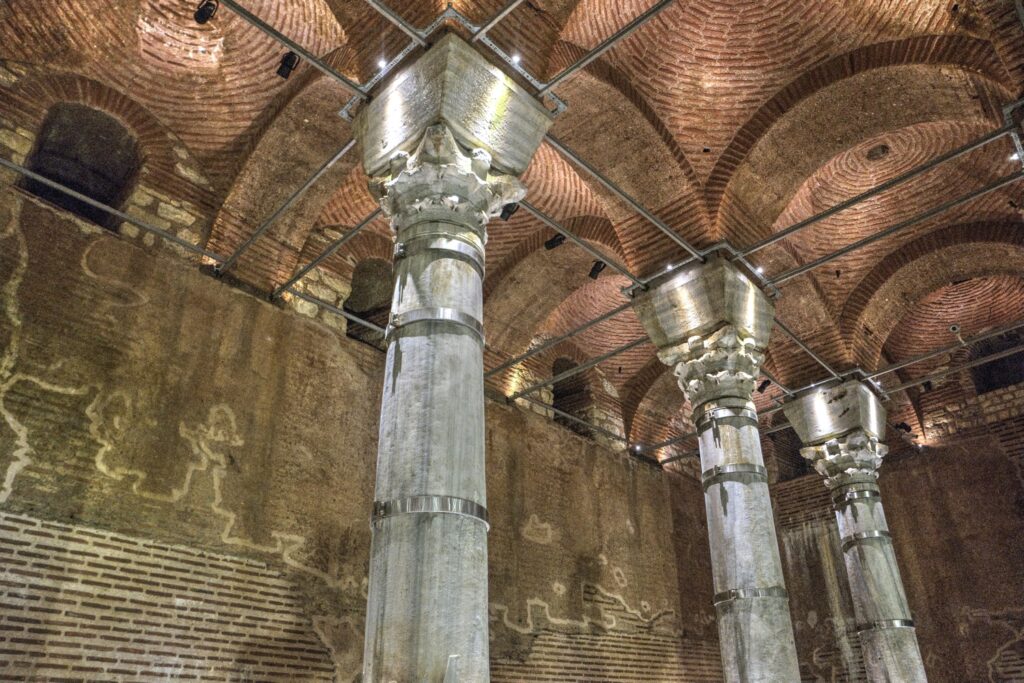
- Corinthian column heads
- Marble pedestals
- Mosaic fragments
- Temple staircases
- Carved arch stones
These recycled stones show how builders from different eras adapted earlier structures.
Rare Organic Artifacts Preserved by Water
The damp cistern environment allows delicate items to survive centuries.
Organic Artifacts Found
- Wooden tools
- Leather sandals
- Woven baskets
- Hemp ropes used for hauling materials
- Tree resin used for sealing cracks
Such items provide a rare chance to study ancient craftsmanship.
Ceremonial Objects and Symbolic Offerings
Some cisterns served ritualistic purposes beyond water storage.
Ceremonial Items Found
- Small clay figurines
- Offerings to water deities
- Ritual bowls
- Charms shaped like animals or symbols
- Carved stones associated with fertility rituals
These artifacts suggest that some cisterns were considered sacred spaces.
Why These Discoveries Matter for Understanding Istanbul
Every artifact contributes to a broader understanding of the city’s past.
What These Artifacts Reveal
- Multicultural integration across centuries
- Roman influence on Byzantine engineering
- Early Christian transitions
- Trade connections reaching Asia and Europe
- Daily life habits of ancient residents
- Continuous reuse of materials across eras
Istanbul’s underground world acts as a historical archive untouched by modern development—until excavations and restorations unveil its treasures.
Learn more details about Cisterns
How Archaeologists Identify and Preserve Cistern Artifacts
Cistern archaeology is highly specialized due to challenging underground conditions.
Steps in the Archaeological Process
- Drain Water Safely
- Map the Structure with 3D Equipment
- Remove Sediment Layer by Layer
- Catalog and Photograph Items
- Transport Finds to Conservation Labs
- Restore Fragile Artifacts Carefully
- Determine Age Through Scientific Analysis
Methods include carbon dating, metallurgical examination, and stylistic comparison.
Cisterns That Produced the Most Significant Discoveries
1. Basilica Cistern
Most prolific site with major statues, coins, and tools.
2. Binbirdirek Cistern
Known for inscriptions and domestic ceramics.
3. Theodosius Cistern
Revealed advanced engineering tools and marble fragments.
4. Nakkas Cistern
Important site for early Christian symbols and organic materials.
Each cistern contributes a unique piece to the historical puzzle.
The Future of Archaeology in Istanbul’s Cisterns
Many cisterns remain unexplored, hidden under modern buildings or private property.
Expected Future Discoveries
- More recycled classical statues
- Undocumented inscriptions
- Additional household and trade items
- Secret chambers or tunnels
- Evidence of rituals or unknown engineering methods
As restoration projects continue, new findings are almost guaranteed.
Final Thoughts: A Hidden World Waiting to Be Discovered
The rare artifacts discovered in Istanbul cisterns reveal a fascinating blend of engineering, religion, trade, and everyday life. These underground spaces act as time capsules, preserving objects untouched by modern life. Each discovery enriches our understanding of Istanbul as a layered city built by diverse cultures over thousands of years.
For archaeologists, historians, and curious travelers, the cisterns remain one of the most captivating windows into the city’s ancient soul—silent, dark, and filled with secrets waiting to be uncovered.

Comment (0)