
Sound Mysteries of Istanbul Cisterns
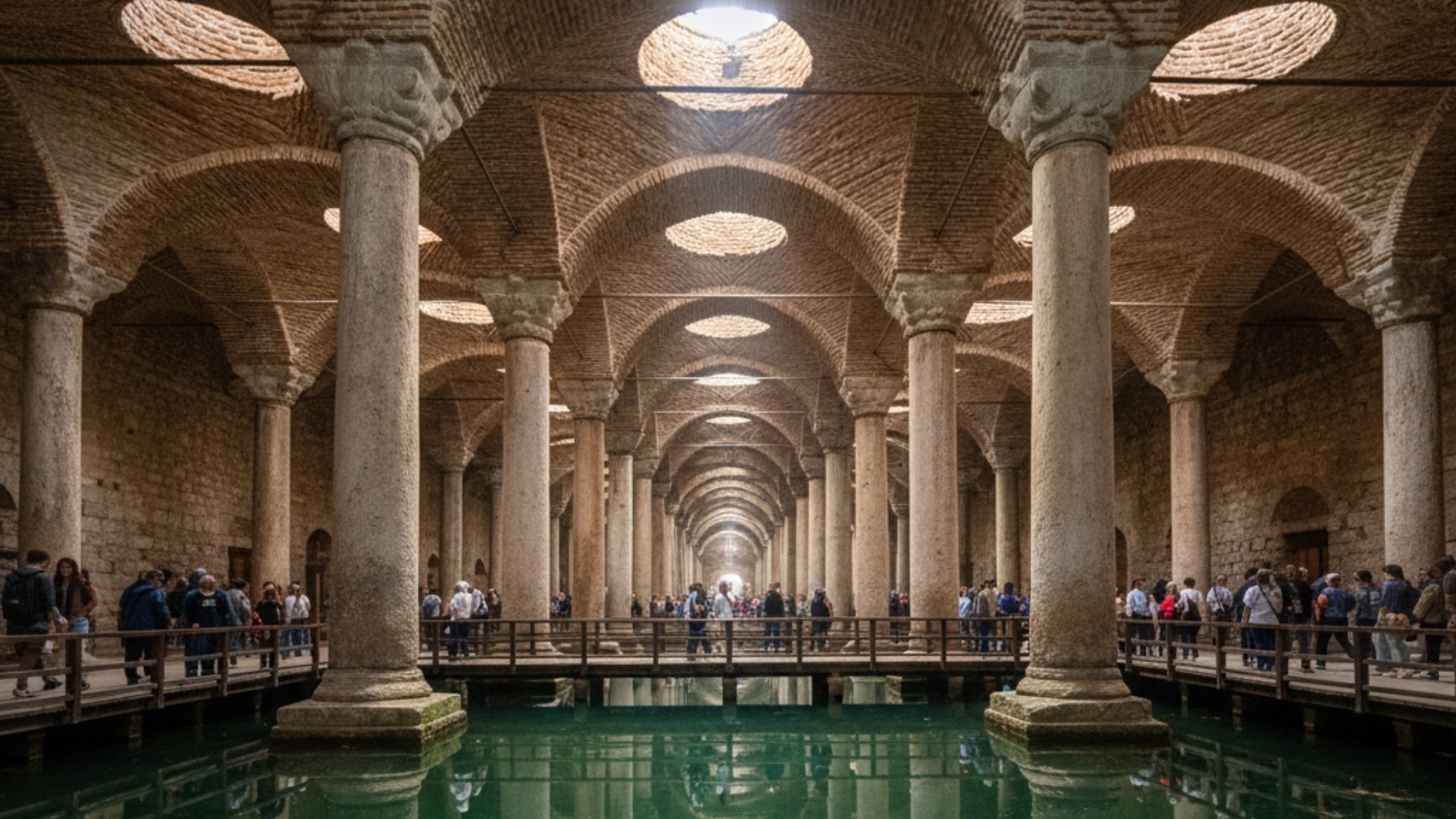
The ancient cisterns of Istanbul are known for their architectural brilliance, atmospheric lighting, and mysterious underground ambiance. Yet one of their most intriguing features is often overlooked: the complex acoustics and sound mysteries of Istanbul cisterns. These subterranean chambers, built to store water for centuries, create a sound environment that is both scientifically fascinating and emotionally captivating. This guide explores the acoustic engineering, natural sound phenomena, echo patterns, and unexpected auditory effects found inside the city’s most iconic cisterns.
Why Istanbul Cisterns Have Unique Acoustics
Istanbul’s cisterns were not designed as performance halls, but their architecture naturally creates extraordinary acoustic properties. Massive stone walls, vaulted ceilings, and reflective surfaces interact with sound in surprising ways.
Key reasons for their unique acoustics:
- High ceilings create long reverb patterns
- Columns evenly distribute sound waves
- Water surfaces amplify low frequencies
- Stone materials produce clean reflections
- Large chamber volume supports echo layering
- Air humidity changes the way sound travels
These factors combine to produce the sound mysteries of Istanbul cisterns, making them some of the most acoustically unique spaces in the world.
The Architecture Behind the Sound Mysteries
The acoustic behavior of Istanbul’s cisterns is deeply connected to their architectural design. These structures were engineered for durability, yet unintentionally created acoustic marvels.
Architectural elements that shape the sound:
- Vaulted ceilings: Scatter sound in curved patterns
- Repetitive column rows: Create rhythmic sound reflections
- Brick and stone: Provide hard, reflective surfaces
- Water channels: Introduce soft, subtle resonance
- High chambers: Extend reverberation time
- Symmetry: Ensures consistent sound distribution
Architects of the Byzantine and Ottoman eras could not have predicted that their water reservoirs would someday become acoustic wonders.
The Echo Phenomenon Inside Istanbul Cisterns
One of the most memorable aspects of the acoustics and sound mysteries of Istanbul cisterns is the echo effect. Even the softest sound—footsteps, whispers, drops of water—lingers in the air.
What makes the echo unique?
- Very long decay time (up to several seconds)
- Gentle layering rather than sharp repetition
- Echoes blend into a smooth acoustic tail
- Low-frequency sounds travel farther
- Whispered tones gain surprising clarity
Visitors often describe the echo as “otherworldly,” creating an ethereal experience unlike anything above ground.
Whispering Galleries and Sound Channels
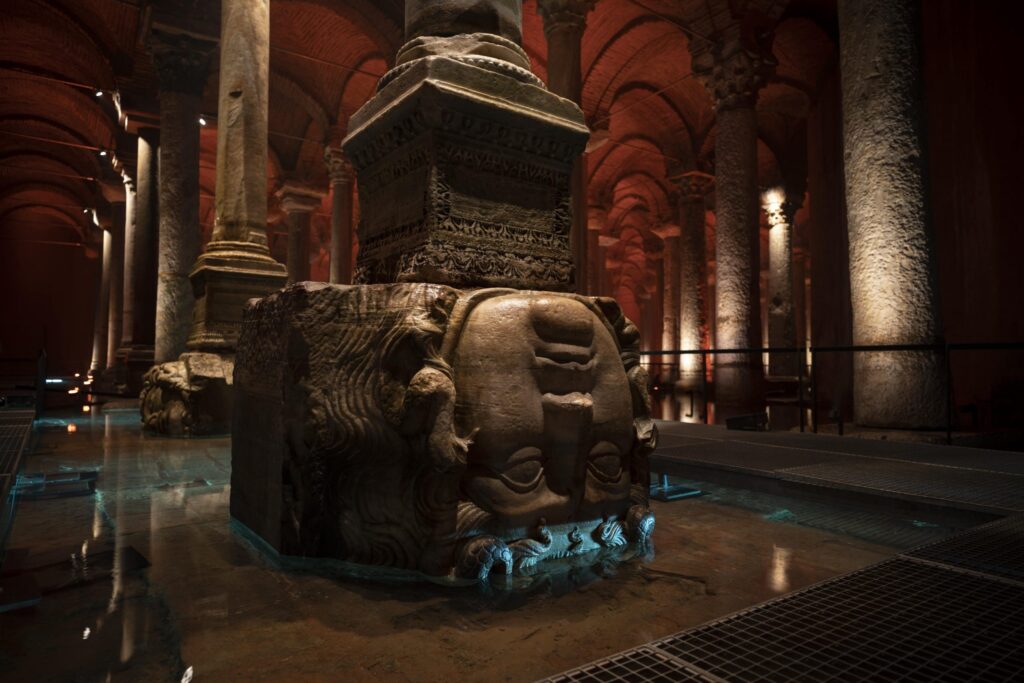
Some cisterns contain spots where whispers travel long distances due to curved walls or parallel surfaces. These areas act as natural sound channels.
How whispering channels form:
- Parallel walls create wave bouncing corridors
- Curved ceilings act like acoustic lenses
- Repetitive pillars reinforce sound direction
- Smooth materials prevent sound loss
This phenomenon allows a person on one side of a chamber to hear a low voice from far away—one of the most intriguing sound mysteries of Istanbul cisterns.
Booking guide for Cistern in Istanbul
The Role of Water in Cistern Acoustics
Water does more than store and reflect light; it also shapes sound. Even a shallow layer of water can affect the acoustic profile dramatically.
How water influences sound:
- Water absorbs high-frequency tones
- Surface reflections amplify bass frequencies
- Flowing water creates natural ambient sound
- Humidity changes voice resonance
- Droplets create rhythmic natural percussion
The balance between stone, air, and water forms a natural acoustic ecosystem.
Cisterns With the Most Impressive Acoustics
Not all cisterns in Istanbul produce the same sound effects. Some are particularly famous for their strong reverberation and mysterious echoes.
1. Basilica Cistern
Known for its vast space and atmospheric lighting, it produces one of the longest reverberation effects in the city.
2. Theodosius Cistern
With its elegant arches and perfectly spaced columns, it creates rich sound diffusion and smooth echo patterns.
3. Binbirdirek Cistern
Its massive stone supports and tall volume generate strong vertical acoustic reflections.
4. Nakkas Cistern
Smaller and more intimate, but filled with soft resonance and delicate sound textures.
These cisterns highlight the full spectrum of acoustics and sound mysteries of Istanbul cisterns.
Musical Performances and Sound Experiments
Because of their acoustic qualities, several cisterns have become popular venues for concerts, sound installations, and artistic performances.
Types of performances enhanced by cistern acoustics:
- Classical music
- Ambient sound experiments
- Vocal recitals
- Traditional Sufi music
- Electronic echo-based compositions
- Experimental arts
Why musicians love cistern acoustics:
- Natural reverb requires no electronic enhancement
- Soft notes fill the chamber effortlessly
- Echo creates emotional atmosphere
- Sound feels larger and more immersive
Concerts inside a cistern offer a one-of-a-kind listening experience.
Psychological and Emotional Impact of Cistern Acoustics
The acoustic environment inside cisterns affects visitors on a deep emotional level, creating feelings of awe, mystery, and tranquility.
Emotional effects:
- A sense of timelessness
- Heightened awareness of sound
- Calmness due to rhythmic echoes
- Mystery from echo layering
- Amplified imagination
Why sound impacts emotions here:
- The brain perceives reverb as spaciousness
- Low frequencies induce calm
- Slow echoes feel dreamlike
- Soft lighting enhances sensory focus
The result is a meditative, almost spiritual soundscape.
Sound Mysteries Still Not Fully Understood
Despite architectural and acoustic studies, some sound phenomena remain difficult to fully explain.
Unexplained acoustic mysteries:
- Echoes that vary depending on human presence
- Sounds that appear directional but are not
- Whisper pathways stronger on some nights
- Water droplets producing harmonic tones
- Sudden dampening of sound in specific corners
These mysteries add to the cultural and historical intrigue of the underground world.
Modern Acoustic Studies in Istanbul Cisterns
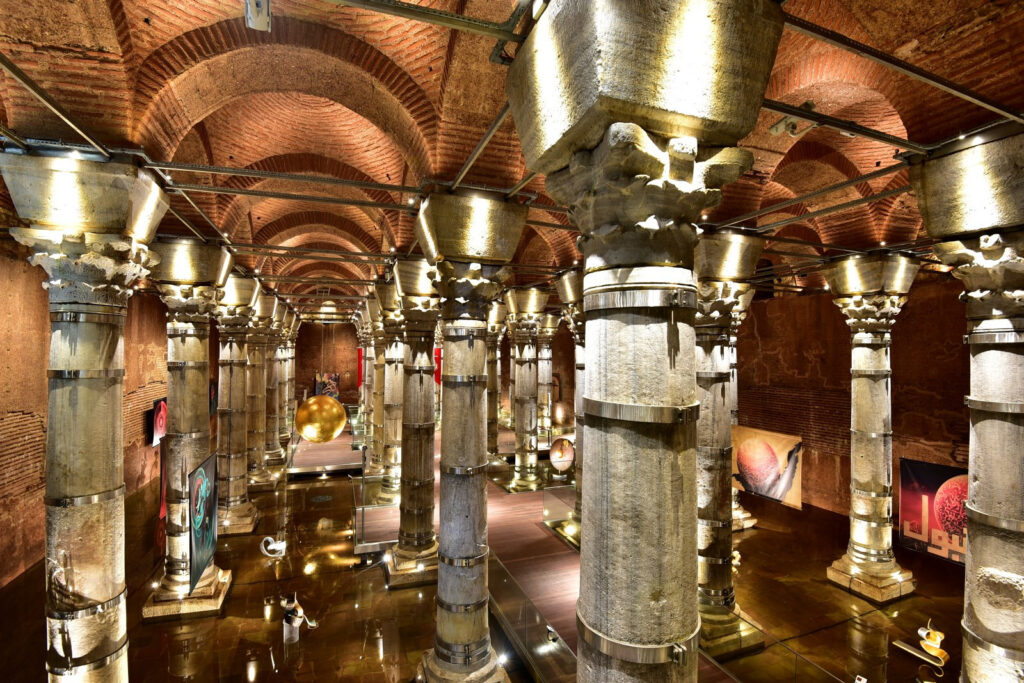
Researchers and sound engineers regularly analyze the acoustic properties of these structures.
Common fields of study:
- Reverberation time measurements
- Modeling of echo pathways
- Sound pressure distribution
- Water-related acoustic absorption
- Voice propagation patterns
These studies help preserve and enhance acoustic experiences during performances.
Learn more details about Cisterns
How to Experience the Sound Mysteries Yourself
Visitors can explore the acoustics and sound mysteries of Istanbul cisterns simply by listening closely.
Try these activities:
- Whisper across the chamber
- Clap hands to hear the echo decay
- Drop a coin and listen to the sound ripple
- Speak softly and observe amplification
- Walk to different corners to test sound changes
- Listen to dripping water patterns
Each cistern is a living sonic landscape waiting to be explored.
Final Thoughts: The Magic of Sound Beneath Istanbul
The acoustics and sound mysteries of Istanbul cisterns reveal a hidden dimension of the city’s underground heritage. These spaces blend engineering, architecture, history, and natural sound in ways that feel almost supernatural. Whether you are a traveler, musician, or sound enthusiast, exploring the auditory world of Istanbul’s cisterns offers an unforgettable experience—one that brings the past to life through echo, resonance, and acoustic wonder.

Comment (0)