Hidden Symbols Found in Istanbul Cisterns
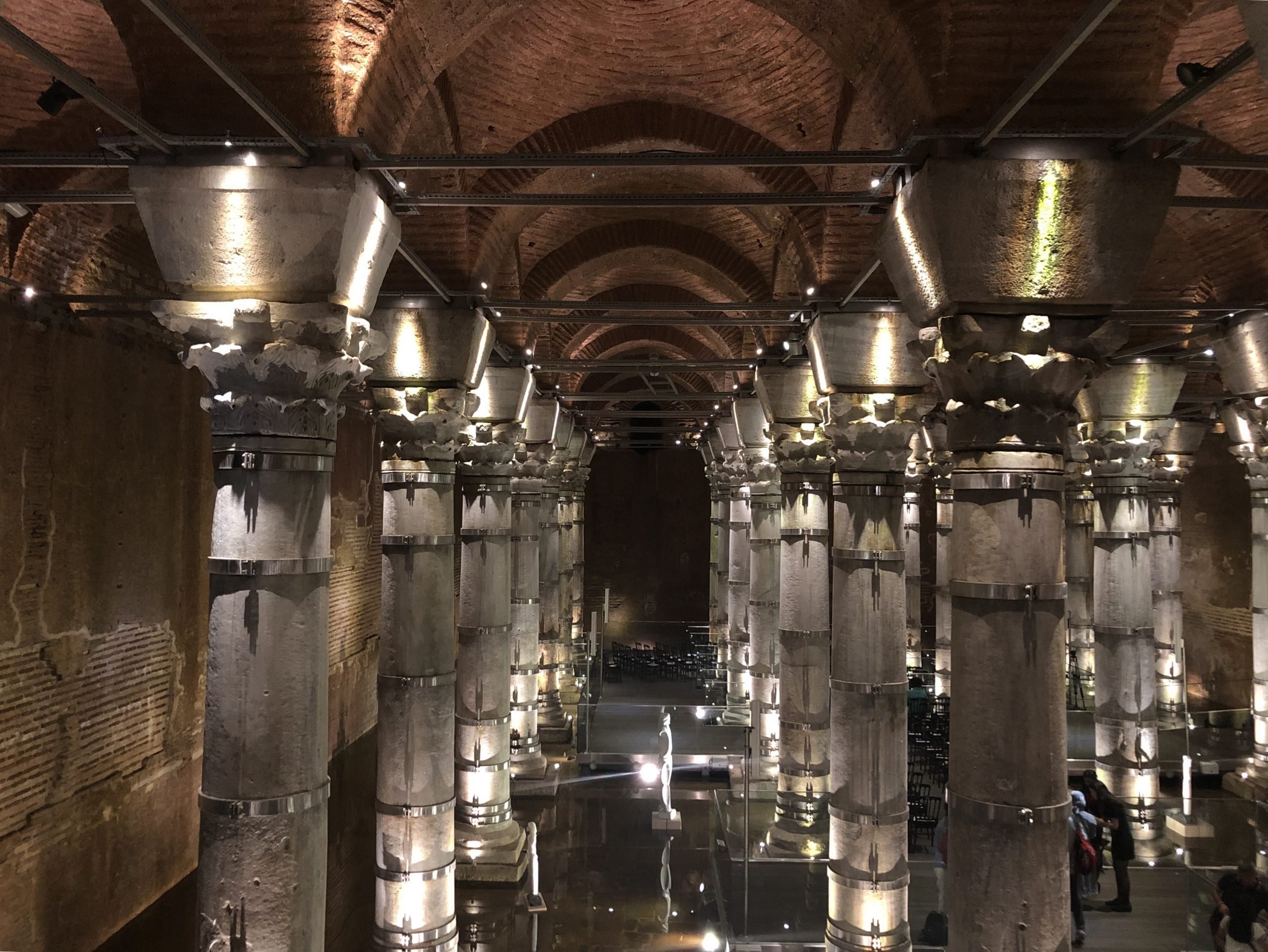
Beneath the vibrant streets of Istanbul lies an underground world shaped by centuries of engineering, mythology, artistry, and spiritual symbolism. The ancient water reservoirs of the city hold far more than masterful stonework and impressive hydraulic systems. They also guard mysterious carvings, cryptic motifs, and enigmatic figures that have puzzled historians and captivated visitors. This article explores the extraordinary hidden symbols found in Istanbul cisterns, revealing their origins, meanings, and cultural significance.
From the legendary Medusa heads to forgotten religious marks, each symbol reflects a layer of history buried beneath the city. With a blend of archaeology, myth, and architectural analysis, this guide offers a detailed look at how these underground wonders continue to fascinate scholars and travelers alike.
The Underground Legacy of Istanbul’s Ancient Cisterns
The story behind the hidden symbols found in Istanbul cisterns begins with their construction. Built primarily during the Byzantine era, the cisterns served as enormous water storage facilities that protected the city during droughts, sieges, and wars.
Why Cisterns Were Built
- To secure water flow during emergencies
- To support palaces, public baths, and large districts
- To compensate for seasonal shortages
- To maintain stability for the capital of a major empire
Architectural Importance
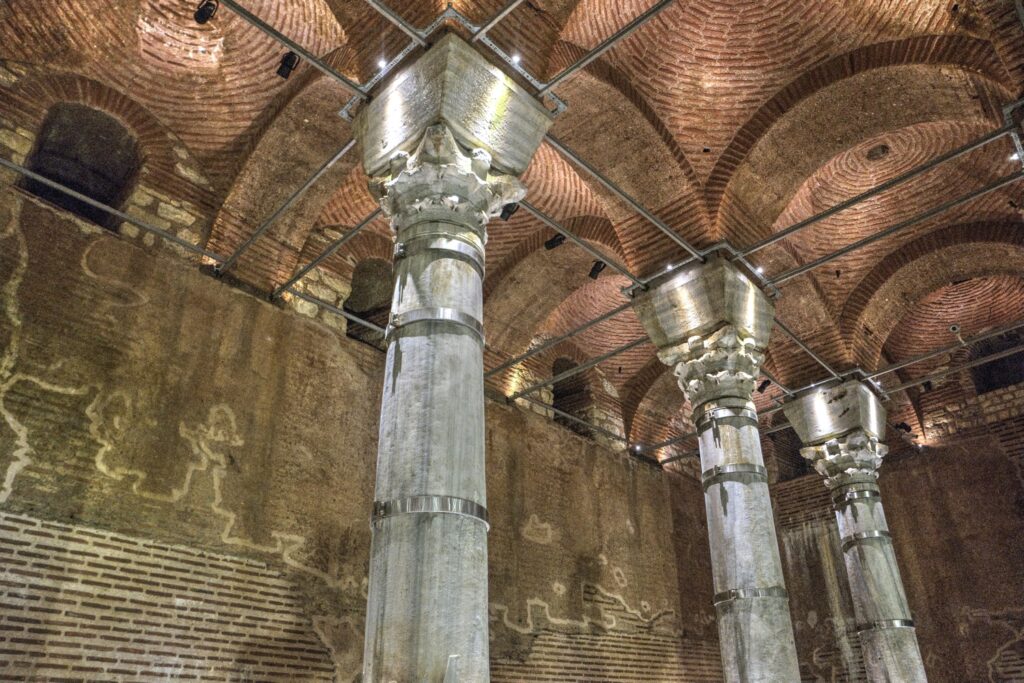
Cisterns are engineering marvels featuring:
- Massive marble and granite columns
- Vaulted ceilings
- Complex aqueduct networks
- Waterproof stone masonry
Yet within these architectural achievements lie symbols whose origins transcend their structural purpose.
The Mystery of Hidden Symbols Found in Istanbul Cisterns
Understanding the hidden symbols found in Istanbul cisterns requires exploring their deeper layers — both historical and metaphorical. Many symbols were not simply decorative but carried religious, political, or protective meanings.
Types of Symbols Commonly Found
- Mythological figures
- Religious carvings
- Geometric shapes
- Pagan motifs
- Protective markings
- Repurposed architectural fragments
These symbols offer clues to the beliefs and concerns of the people who built and maintained these underground structures.
The Famous Medusa Heads: The Most Iconic Symbol
Among the hidden symbols found in Istanbul cisterns, none are more famous than the Medusa heads in the Basilica Cistern.
Origins of the Medusa Myth
Medusa, one of the Gorgon sisters, is known in Greek mythology as a creature with snakes for hair whose gaze could turn mortals to stone.
Mystery Behind Their Placement
The two Medusa heads appear:
- One positioned sideways
- One placed upside down
Scholars believe their unusual orientation may indicate:
- Intentional symbolic meaning
- Reuse of older pagan stones
- A protective function to neutralize evil
- A practical architectural decision
Possible Symbolic Interpretations
- Protection Against Curses
Medusa’s image may have been used to ward off evil spirits. - Christian Reinterpretation
Symbols of pagan power were sometimes inverted to diminish their influence. - Ritual Purification
Water and symbolic stone figures may have represented purification.
Learn more details about Istanbul Cisterns
The Column of Tears: A Symbol of Remembrance
Another striking example of hidden symbols found in Istanbul cisterns is the Column of Tears, also located in the Basilica Cistern.
Design Features
- Covered with teardrop-shaped carvings
- Said to honor slaves or workers who died during construction
Possible Meanings
- Memorial to laborers
- Symbol of suffering
- Representation of water flow
The emotional weight behind this symbol makes it one of the most meaningful motifs in any cistern.
Mythological Motifs and Pagan Influences
The cisterns were built during a period of cultural transition, where pagan traditions overlapped with emerging Christian symbolism. Many hidden symbols found in Istanbul cisterns reflect this mixture.
Common Pagan Symbols
- Stylized leaves and vines
- Floral patterns symbolizing rebirth
- Serpent imagery representing power
- Lunar and solar motifs
Why Pagan Symbols Were Preserved
- Reuse of older temple materials
- Incorporation of familiar protective symbols
- Decorative preferences of the era
These symbols illustrate the cultural fusion present during the Byzantine Empire.
Religious Signs and Early Christian Marks
Not all hidden symbols found in Istanbul cisterns come from pagan mythology. Many are related to early Christianity, especially during the transformation of the empire.
Examples of Christian Symbols
- Cross carvings
- Fish symbols
- Alpha and Omega letters
- Early monograms resembling the Chi-Rho symbol
Their Purposes
- Marking areas of significance
- Offering spiritual protection
- Representing the presence of Christian communities
These hidden marks connect the cisterns to the religious transformation occurring above ground.
Geometric Patterns and Mathematical Symbols
Geometry played a major role in Byzantine-era art and architecture, and many hidden symbols found in Istanbul cisterns include geometric motifs.
Common Geometric Forms
- Circles
- Spirals
- Interlocking squares
- Triangular patterns
Interpreting the Geometry
These shapes may represent:
- Cosmic order
- Architectural alignment
- Protective symbolism
- Artistic ornamentation
Geometry served both aesthetic and metaphysical purposes.
Explore Other Cisterns in Istanbul
Reused Architectural Fragments: Symbols from Earlier Civilizations
One of the most fascinating aspects of the hidden symbols found in Istanbul cisterns is the use of spolia — repurposed stones taken from older structures.
Sources of Spolia
- Roman buildings
- Pagan temples
- Public monuments
- Ruins from earlier centuries
Why Spolia Were Used
- Practicality
- Scarcity of new materials
- Desire to preserve historical artistry
- Symbolic triumph of new regimes over older ones
This reuse created a mosaic of cultures within the walls of each cistern.
Protective Symbols and Ritualistic Markings
Many markings inside the cisterns appear to serve protective or ritualistic functions.
Types of Protective Symbols
- Carved eyes
- Simple crosses
- Sun symbols
- Swirls representing water protection
Their Purpose
- Guarding the cistern from misfortune
- Ensuring stable water flow
- Preventing spiritual danger
- Marking safe areas
These hidden symbols reflect ancient beliefs about the power of water and underground spaces.
Underground Acoustics and Symbolic Soundscapes
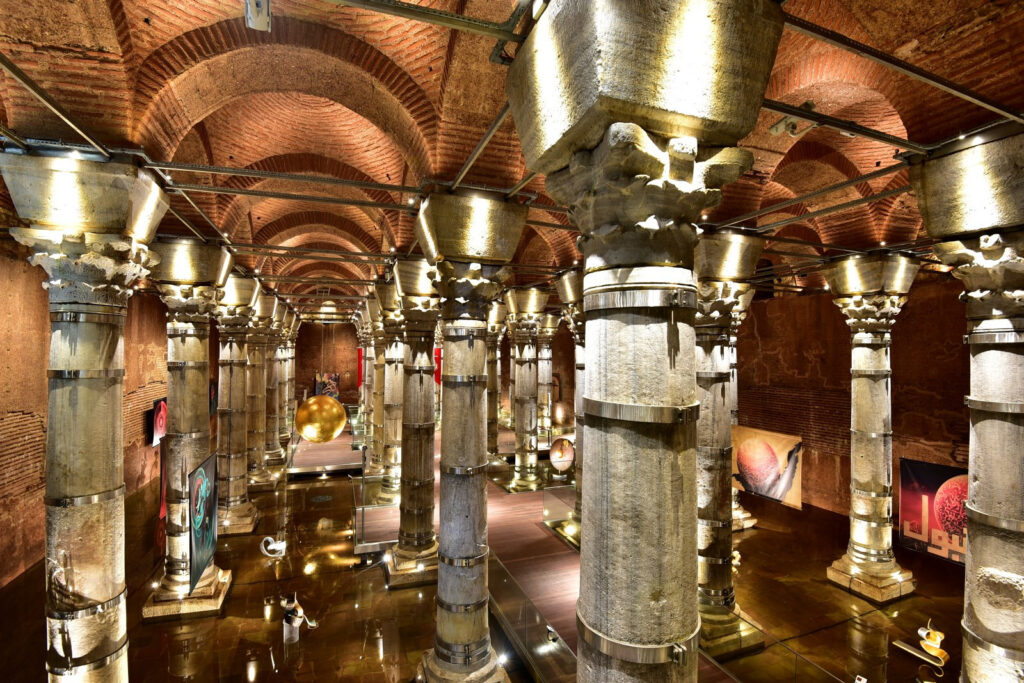
The cisterns were not only visual spaces but also acoustic chambers. Sound held symbolic meaning in the underground world.
Acoustic Features
- Echo chambers
- Resonance patterns
- Amplified footsteps
- Water drip rhythms
Symbolic Interpretations
- Sounds resembling ritual chants
- Echoes used for spiritual ceremonies
- Water rhythms symbolizing the passage of time
The interaction of sound and space adds another layer to the symbolism.
Nature-Themed Symbols and Environmental Significance
Water is central to the symbolism of the cisterns. Many hidden symbols found in Istanbul cisterns reflect themes of nature.
Nature Symbols Found
- Branch motifs
- Aquatic creatures
- Leaf patterns
- Stone textures resembling waves
Meaning Behind Nature Symbols
- Celebration of life
- Reflection of water’s sacred role
- Aesthetic connection to the natural world
These elements underline the belief in water as a life-giving force.
Ancient Engineering Symbolism
Even engineering components can hold symbolic weight. The cisterns contain markings that blend functionality with hidden meaning.
Engineering Symbols
- Stonecutters’ marks
- Alignment indicators
- Measuring lines
Why These Marks Matter
- Provide insights into construction methods
- Represent early engineering culture
- Merge practicality with artistry
The cisterns serve as a living textbook of ancient building technology.
Comparing Symbols Across Different Cisterns
Different cisterns hold distinct symbolic themes. Comparing these patterns helps uncover deeper meaning behind the hidden symbols found in Istanbul cisterns.
Basilica Cistern
- Mythological imagery
- Medusa heads
- Decorative columns
Binbirdirek Cistern
- Simpler geometric patterns
- Engineering marks
- Minimal mythological symbolism
Smaller Cisterns
- Religious carvings
- Protective motifs
- Unfinished symbols
Each cistern’s symbols reflect its unique historical purpose.
Theories Behind the Hidden Symbols
Scholars propose multiple theories regarding hidden symbols found in Istanbul cisterns.
Major Theories
- Spiritual Protection
Underground spaces needed symbolic safeguarding. - Political Statements
Reused stones symbolized dominance over older cultures. - Religious Blending
Pagan and Christian symbols merged over time. - Artistic Expression
Craftsmen added details to showcase skill. - Practical Indicators
Some marks guided construction techniques.
Why These Symbols Matter Today
The symbols offer insights into the identity of the city and the civilizations that shaped it.
Modern Importance
- Provide archaeological evidence
- Reveal spiritual and cultural beliefs
- Preserve ancient artistic traditions
- Enrich historical storytelling
Exploring these symbols deepens our understanding of Istanbul’s layered past.
Conclusion: The Enduring Mystery of Underground Symbols
The hidden symbols found in Istanbul cisterns represent centuries of art, mythology, engineering, and culture carved into stone beneath the city. These underground markings serve as silent storytellers, reminding us of the civilizations that shaped one of the world’s greatest historical capitals.
From protective motifs to mythological figures, each symbol adds a piece to the puzzle of Istanbul’s ancient past. As long as these cisterns endure, so will their mysteries — inviting future generations to explore, interpret, and uncover the secrets hidden below.

Comment (0)